make preferable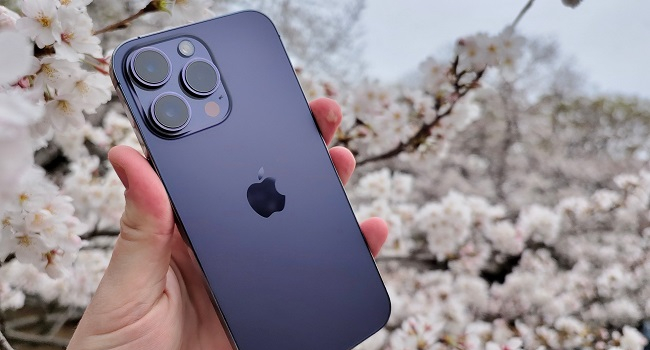
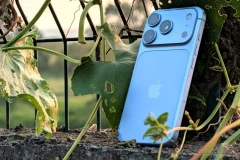
Following the unveiling of the iPhone 16e on February 19, 2025, Apple ceased sales of several older iPhone models. According to Gazeta.Ru, pages dedicated to these smartphones, including the iPhone SE 3 and iPhone 14, have vanished from the company’s official website.
Which Models Are No Longer Available?
The list of discontinued devices includes:
- iPhone SE (3rd generation), introduced in 2022. Its role in the lineup has now been taken over by the iPhone 16e.
- iPhone 14 and iPhone 14 Plus, which debuted in 2023.
- iPhone 14 Pro and 14 Pro Max, flagship models that were already phased out in the fall of 2023.
What ties these devices together? They all feature the Lightning connector instead of USB-C. At the time of discontinuation, prices started at $429 for the iPhone SE 3, $599 for the iPhone 14, and $699 for the iPhone 14 Plus.
What’s Changed in the iPhone Lineup?
With this move, Apple has fully transitioned away from smartphones equipped with Lightning ports, IPS displays, and the iconic Home button with Touch ID. The official Apple Store now exclusively offers devices with USB-C ports, including the iPhone 15, iPhone 16, and the newly launched iPhone 16e.
Why Did Apple Make This Decision?
Several factors likely contributed to Apple’s decision to discontinue these models:
- USB-C Transition: The shift to USB-C across the iPhone lineup aligns with global trends and regulatory pressures, particularly in regions like the European Union, where USB-C has become a mandated standard for charging ports. The iPhone SE 3 and iPhone 14 were the last holdouts with Lightning, making them incompatible with this evolving ecosystem.
- Positioning the iPhone 16e: As a new "budget-friendly" option priced at $599, the iPhone 16e effectively replaces the iPhone SE 3 while offering modern features like an OLED display, the A18 processor, and USB-C. Keeping the older SE and iPhone 14 models could have cannibalized sales of the new device.
- Streamlining the Portfolio: Apple traditionally phases out older models with each new release to simplify its product lineup and push consumers toward newer technology. The removal of the iPhone 14 and SE 3 eliminates overlap with the iPhone 15 and 16 series, which offer superior specs and USB-C connectivity.
- End of an Era: The discontinuation marks the end of Lightning-equipped iPhones and the Home button, signaling Apple’s commitment to a future of edge-to-edge displays, Face ID, and universal charging standards.
Where Can You Still Buy the Old Models?
Although these models are no longer available on Apple’s official website, the iPhone SE 3, iPhone 14, and iPhone 14 Plus can still be purchased from authorized retailers and physical stores while supplies last. This presents a solid opportunity for those who favor the classic design—complete with the Home button on the SE—or are hunting for a more affordable iPhone option.
In summary, Apple’s decision reflects a strategic pivot to modernize its lineup, comply with industry standards, and position the iPhone 16e as the new entry-level standard. For fans of Lightning or the Home button, the secondary market remains the last bastion for these now-retired models.