make preferable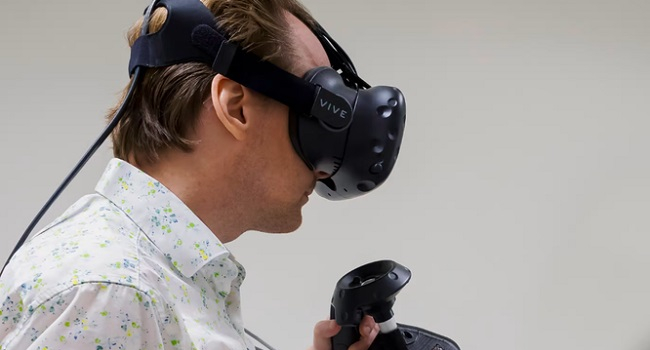
In the near future, not only images and sounds, but also smells may appear in virtual reality, making it even more believable and attractive. But how can smells be brought into the virtual world? Researchers from Stockholm University and Malmö University in Sweden are working on just such a technology today.
The technology, described in the Journal of Human-Computer Studies, was demonstrated in a wine-tasting game where the player can sniff wines in a virtual cellar and earn points for guessing scents.
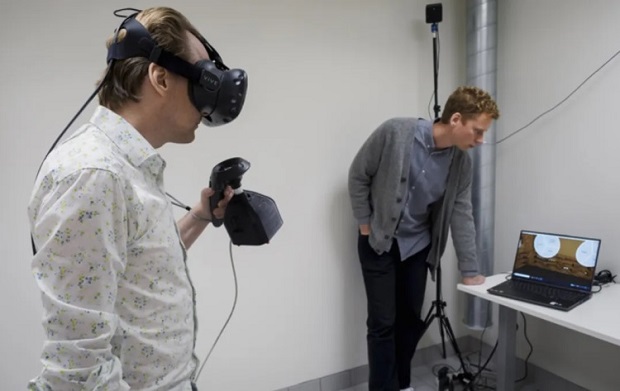
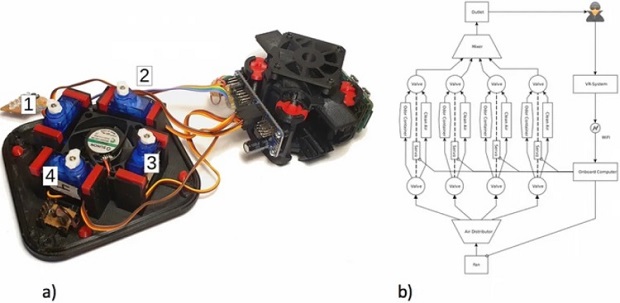
To make this possible, the researchers developed a kind of console with four small containers that contain aromatic liquids. Each container has valves that can be opened to a different degree (this is controlled by the computer), allowing the fragrances to mix in different proportions. A special fan then conveys the desired fragrance into a tube that goes to the user's nose.
In the game, the fragrance blends can mimic the smells of real wines. Moreover, there are different levels of difficulty.
"The possibility to move on from a passive to a more active sense of smell in the game world paves the way for the development of completely new smell-based game mechanics based on the players' movements and judgments," says Simon Niedenthal, interaction and game researcher at Malmö University.
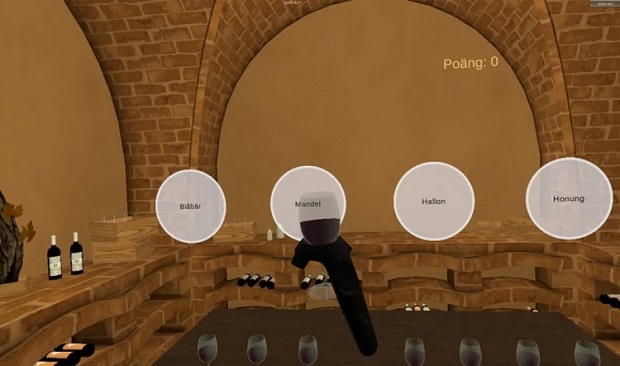
In the not-so-distant future, such technology could become very popular in the gaming industry. Just imagine virtual reality games where you can smell smoke - whether it's a fire or a bonfire in a game, the smell of dampness in subways, the smells of nature when a character is in a fantasy forest after the rain. Adding smells to games will make them more appealing to even more people.
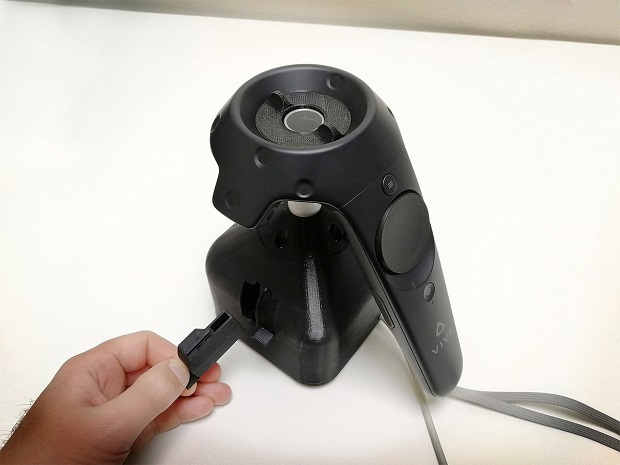
But of course, this technology can be used not only in games. Tasters and perfumers, for example, can be trained with it. Moreover, the technology can help "train" the sense of smell of people who have lost sensitivity to smells because of coronavirus infection.
Note that the researchers have posted all the drawings, instructions and program codes in the public domain, and now everyone who owns a 3D printer can create a device based on their design.