make preferable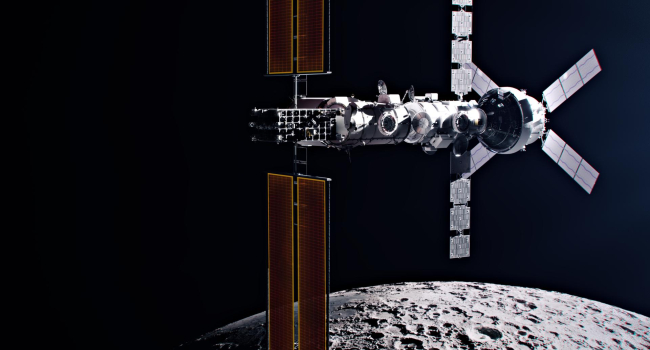
The successful return of the crew of the Artemis 2 mission on April 10, 2026 marked a major milestone, but NASA is already moving ahead with its next steps. The Artemis program is now shifting to a new phase — from test flights to actual lunar landings and the creation of a permanent base, according to Space.com.
Changes to Artemis 3 Plans
Originally, Artemis 3 mission was intended to become the first mission to land astronauts on the Moon under the Artemis program. However, in late February 2026, NASA Administrator Jared Isaacman announced a major revision to the mission architecture.
Under the updated plan, Artemis 3 will instead serve as a rehearsal mission in Earth orbit. Its primary objective will be to practice docking the Orion spacecraft with one or both crewed lunar landers: Starship from SpaceX and Blue Moon from Blue Origin. The mission is scheduled for launch in mid-2027.
If everything proceeds successfully, Artemis 4 mission is expected to deliver astronauts to the lunar surface near the Moon’s south pole in late 2028.
Plans for the Coming Years
After that, the Artemis program is expected to accelerate. Subsequent crewed missions are designed to gradually build the infrastructure for a permanent lunar base, planned to become operational by 2032. This base is intended to serve as a testing ground for technologies needed for a future human expedition to Mars, which NASA aims to carry out in the late 2030s to early 2040s.
Work is already underway. According to NASA Deputy Administrator Amit Kshatriya, some elements of the Space Launch System (SLS) for Artemis 3 have already been delivered to Kennedy Space Center, with additional components expected to arrive in the coming weeks.
Jared Isaacman also indicated that the first high-level design review meeting for Artemis 3 took place on the day of the Artemis 2 lunar flyby, noting that many aspects of the mission already appeared achievable.
Technical Challenges Ahead
Despite the optimism, several technical challenges remain. Neither lunar lander has yet completed full operational testing:
- The Blue Moon lander has not yet flown.
- Starship has completed 11 suborbital test flights, two of which were successful, but it has not yet reached orbit, demonstrated in-space refueling, or been equipped with a full life-support system.
Further refinements are also needed for Orion systems. During Artemis 2, engineers detected a helium leak in the propulsion system, along with minor issues involving the spacecraft’s waste management system. These problems will require attention before future missions proceed.
Optimism and Long-Term Goals
Despite the remaining challenges, NASA leadership remains confident in the program’s success. Following the completion of Artemis 2, Jared Isaacman indicated that the mission marked only the beginning and emphasized that regular lunar missions would continue until astronauts landed on the Moon again in 2028 and began constructing a permanent base.
Amit Kshatriya similarly noted that the path to the lunar surface had now been opened, but that more work still lay ahead than behind — and that this would likely always be the case.
In Brief
After the successful return of the Artemis 2 crew, NASA is shifting its focus to preparing the next missions. Artemis 3, scheduled for mid-2027, will rehearse docking the Orion spacecraft with lunar landers in Earth orbit. Artemis 4, planned for late 2028, is expected to carry out the first Artemis-era lunar landing near the Moon’s south pole.
In the longer term, the program aims to establish a permanent lunar base by 2032, which will serve as a training and technology platform for future human missions to Mars. Despite ongoing technical challenges, NASA officials believe the path to a sustained human presence on the Moon is now firmly open — and that humanity’s return to Earth’s satellite is intended to be long-term.