make preferable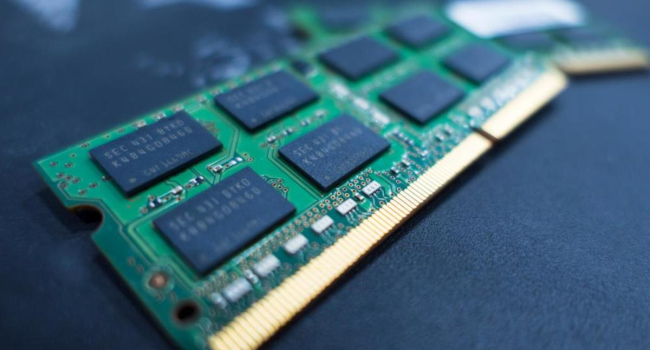
At the end of 2025 and the beginning of 2026, many users noticed a sharp increase in the price of RAM. DDR5 kits with 32 GB that cost around 200-250 USD in autumn are now being sold for 600-650 USD or more. The same situation affects DDR4 and even entry level modules. What is happening in the market, and is there any hope for price reductions?
The main reason is artificial intelligence
The memory crisis strongly resembles the graphics card situation in 2021–2022, when cryptocurrency mining pushed prices up. Now, however, the driving force is not mining but AI.
Training and running large language models require enormous amounts of high speed memory, primarily HBM (High Bandwidth Memory) and server class RDIMM modules. Demand from companies such as OpenAI, Google, and Meta has become so massive that the main manufacturers, Samsung, SK hynix, and Micron, have redirected a large part of their production capacity from consumer memory to server memory.
According to estimates circulating in the industry, OpenAI alone orders up to 900,000 memory wafers per month, which is about 40 percent of the global HBM production. Profit margins on server memory are several times higher than on consumer DDR5 or DDR4, so the manufacturers’ choice is economically obvious.
As a result, production volumes of consumer RAM dropped sharply, while demand stayed the same or even increased due to new processors and platforms. A classic shortage combined with strong demand inevitably caused a surge in prices.
When can prices go down?
Most analysts agree that in the next one to two years prices will not fall and are likely to continue rising. Forecasts vary:
Moderate scenarios suggest quarterly growth of 20 to 30 percent in the first half of 2026.
Pessimistic scenarios predict a doubling of prices by the end of 2026 compared to current levels.
Manufacturers have already announced multibillion dollar investments in new factories. However, almost all of this money is being directed toward expanding HBM and server memory production for AI. The consumer segment remains a low priority.
Demand from the AI market is expected to grow for at least another decade. This is no longer a temporary crisis but a new reality for the memory market.
What users should do right now
If your PC or laptop is already struggling with tasks such as gaming, video editing, AI workloads, or heavy multitasking, postponing an upgrade will likely make it more expensive. Several practical recommendations follow.
If you urgently need an upgrade, it is better to do it now before prices rise even further. This is especially true when moving from 16 GB to 32 GB or from DDR4 to DDR5, as these transitions will become more expensive over time.
If you plan to build a PC in 2026, consider buying a ready made desktop or laptop in the coming months, while memory prices have not yet been fully reflected in final device prices.
For gamers, consoles currently make more financial sense. A PlayStation 5 or an Xbox Series X or S often costs less than a high end 32 GB DDR5 memory kit alone, while gaming performance is frequently higher than that of a similarly priced PC.
In brief
The sharp rise in RAM prices at the end of 2025 and the beginning of 2026 is caused by memory manufacturers shifting production toward HBM and server memory for AI companies. The consumer segment is experiencing a shortage, and prices are expected to keep rising in 2026. Forecasts range from 20 to 50 percent quarterly growth to a possible doubling of prices by the end of the year. If you are planning a PC upgrade or a new build, it is better not to wait. For gaming, a console is currently a more cost effective option than a mid range PC. This is not a short term spike but a long term change in the hardware market.