make preferable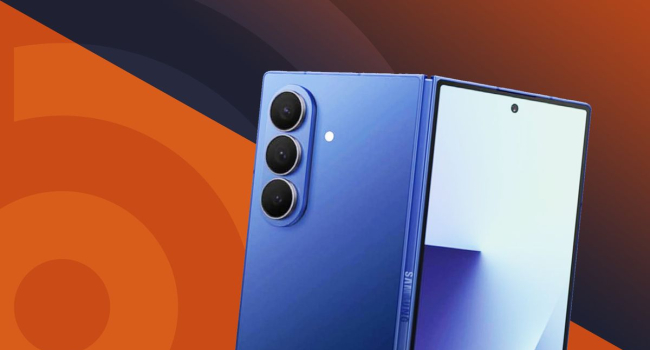
The year 2025 proved highly successful for Samsung. The company is closing the year with record sales of the flagship Galaxy S25 series and a noticeable rise in the popularity of foldable smartphones. At the same time, there were also disappointments, as some models received a lukewarm reception and not every experiment met expectations. The GSMArena editorial team reviewed the entire lineup and identified the year’s major successes and failures.
Leaders of the Year: Flagships and Foldables
The undisputed standout was the Samsung Galaxy S25 Ultra. The model set a pre-order record in South Korea with 1.3 million units. Out of the total 9.16 million smartphones sold in the S25 series, the Ultra accounted for 5.08 million units, which is 7.1 percent more than the S24 Ultra a year earlier. Despite relatively modest upgrades, including a new 50-megapixel ultra-wide camera and an S Pen without Bluetooth, the S25 Ultra became the most popular Ultra model in recent years.
The base Samsung Galaxy S25 also performed strongly, with sales up 11.6 percent compared to the S24. Key changes such as 12 GB of RAM in all configurations and the switch to the Snapdragon 8 Elite chipset were clearly well received by buyers.
Samsung’s foldable smartphones continued to dominate the market. The Galaxy Z Fold7 and Z Flip7 helped the company secure 64 percent of the foldable segment. Sales of the Fold7 increased by an impressive 50 percent compared to the previous generation.
Special mention goes to the experimental Samsung Galaxy Z TriFold, the world’s first tri-fold smartphone. The device is produced in limited quantities, and its primary goal is not commercial success but rather demonstrating Samsung’s technological leadership in innovation.
In the midrange segment, the Galaxy A56 and A36 proved successful. According to IDC, these models became the main drivers of the company’s growth in the second quarter.
Failures and Disappointments of 2025
Not all models lived up to expectations. The Galaxy S25 Plus delivered only average sales and remained overshadowed by the more popular Ultra and base versions.
Another failure was the Galaxy S25 Edge, a thin experimental model that generated little consumer interest.
Problems with Samsung’s in-house chipsets persisted. Exynos processors continued to lag behind Snapdragon in terms of power efficiency and gaming performance, drawing ongoing criticism.
The fan edition Galaxy S25 FE disappointed with minimal upgrades while maintaining a high price. Similarly, the Galaxy Z Flip7 FE featured an outdated design and hardware, making it uncompetitive.
Wearable devices also failed to impress. The Galaxy Watch8 and Watch8 Classic received mixed reviews due to their unusual square-round design, which many viewed as an awkward compromise.
In Brief
The year 2025 reaffirmed Samsung’s leadership in premium flagships and foldable smartphones. The Galaxy S25 Ultra, base S25, Z Fold7, and Z Flip7 emerged as clear hits, while the experimental Z TriFold highlighted the company’s innovative potential. At the same time, experimental models such as the S25 Edge, FE versions, and devices based on Exynos chips disappointed buyers. Challenges remain in the midrange wearables segment and with in-house processors, but overall Samsung maintains strong positions in its key markets.