make preferable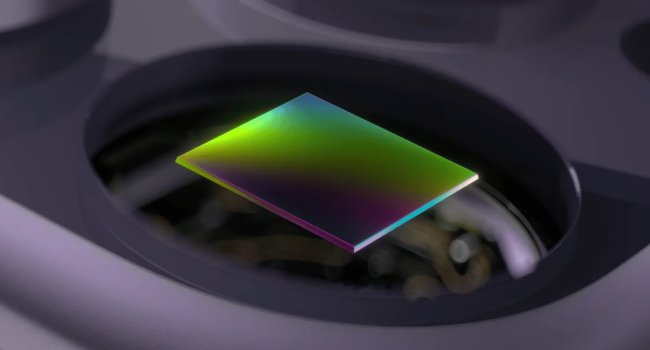
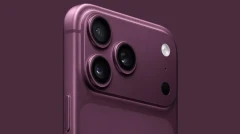
Apple continues to push computational photography forward by actively developing a neural network called DarkDiff that is designed to dramatically improve night photos. Instead of applying traditional post processing to a finished image the algorithm works with noise during image capture itself which promises better detail preservation without quality loss.
How DarkDiff works
The new AI is built on the open Stable Diffusion V2 1 model. It does not wait for a completed photo but suppresses noise directly in the raw sensor signal while the image is still being formed. This approach helps preserve textures colors and fine details that are usually lost with aggressive noise reduction.
At its current stage DarkDiff remains experimental. It is too resource intensive for mobile devices and sometimes misinterprets non Latin characters on signs introducing artifacts. Even so the potential is significant especially when combined with future hardware improvements.
In parallel a custom sensor with analog noise reduction
Apple is not relying on software alone. The company is also secretly testing its own CMOS image sensor with built in analog noise reduction. This hardware level solution is meant to reduce noise at a very early stage before the signal reaches digital processing which could further improve low light performance.
When to expect it on iPhone
Everything is still at an early development stage. DarkDiff needs major optimization and the sensor requires further refinement. Real world deployment in mass market iPhones could take several years most likely not before 2028 or 2029. The direction is clear though Apple wants to turn night photography into another defining strength of the iPhone camera.
In brief
Apple is developing DarkDiff AI based on Stable Diffusion to suppress noise during image capture itself which preserves more detail in night photos than traditional methods. At the same time the company is testing a proprietary image sensor with analog noise reduction. Both technologies are experimental and resource intensive but could represent a major breakthrough in mobile photography in the coming years.