make preferable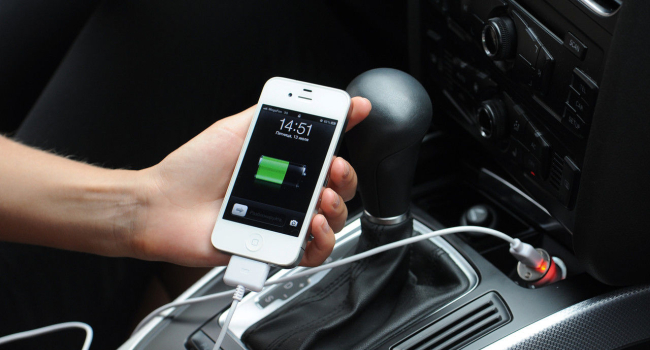
Charging a smartphone in a car through the cigarette lighter or a USB port has become routine for millions of drivers. But is it actually safe for the battery and the device itself? Eldar Murtazin, owner and chief analyst of Mobile Research Group, addressed the main myths in a conversation with RT and offered clear recommendations. It turns out that the biggest risk is not the electricity — it is the sun.
Charging in a Car: Technically Safe
Modern in-car chargers comply with USB Power Delivery and Quick Charge standards, providing a stable 5–12 V and up to 3 A. A car’s electrical system is designed to handle such loads, and even when the headlights, air conditioning, or heating are running, charging a phone does not create any strain.
Murtazin emphasized that other electrical consumers, such as headlights or interior lighting, do not interfere with the charging process. Modern controllers in both smartphones and chargers automatically regulate the current, protecting the battery from overcharging, overheating, and short circuits.
The Myth About “Damage from Using the Phone While Charging”
Many people worry that charging the phone while making calls, using navigation, or watching video will “kill” the battery. This is an outdated misconception. Lithium-ion smartphone batteries have built-in management chips (BMS) that distribute energy: they first power the device and only then charge the battery.
The expert noted that using the phone while charging does not damage the battery. Batteries are consumables designed for about 500–800 cycles. Modern batteries degrade mainly due to age and high temperatures, not multitasking.
The Real Danger: Overheating in the Sun
The only serious risk is overheating when the phone is left on the dashboard in direct sunlight. In summer, a parked car’s interior can exceed 60°C. Lithium-ion batteries begin to degrade more rapidly at around 45°C, and at roughly 60°C the protection system triggers and charging stops altogether.
Murtazin warned that if a phone is left on the dashboard and becomes very hot in the sun, it is best to move it. A phone in a case or charging inside the glove compartment stays much cooler.
Practical Tips
- Use high-quality chargers with overload protection (either original or certified).
- Do not leave the phone in direct sunlight — place it in shade, in the glove compartment, or in a bag.
- Watch the temperature: if the phone feels hot (above 45°C), let it cool down.
- Do not worry about multitasking — calling or using navigation while charging does not harm the battery.
In Short
Charging your phone in a car is completely safe if you follow a few basic rules. The car’s electrical system and the device’s controllers reliably protect the battery. Using the phone while it is charging does not cause damage — that is a myth. The real risk is overheating from sunlight on the dashboard. Keep your phone in the shade, and you will have no problems.