make preferable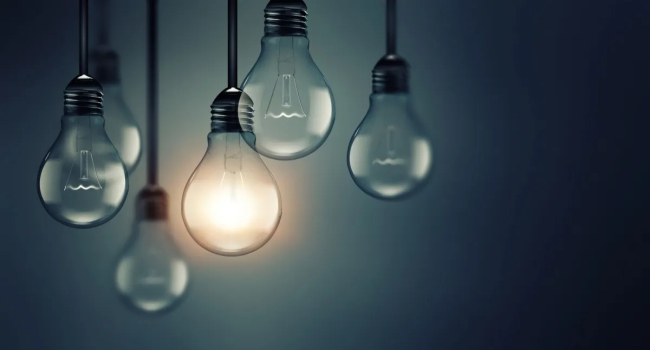
If every person on Earth switched on a light simultaneously, it would create a massive surge in electricity demand that could overload power grids, as well as intensify light pollution, making the night sky brighter and obscuring the stars. Here’s how the power grid works, what consequences such a scenario could have, and why LED lighting helps soften the problem.
Strain on Power Grids
Electricity is generated at power plants that use various energy sources: coal, natural gas, nuclear fuel, water, wind, and sunlight. Energy then flows to homes and offices through a transmission and distribution network—the power grid. To remain stable, electricity generation must instantly match demand. If the balance shifts even for seconds, disruptions or large-scale blackouts can occur.
How Do Power Grids Handle Demand Spikes?
If everyone switched on the lights at once, electricity demand would skyrocket. Different types of power plants respond differently:
- Coal and nuclear plants: Provide stable generation but respond slowly to demand changes and may be unavailable if undergoing maintenance.
- Gas plants: React more quickly to spikes, which is why they are often used during periods of high demand, such as hot summer days.
- Renewable sources: Solar, wind, and hydropower are less predictable since they depend on weather. Some hydropower plants can store water during low demand and release it to generate electricity during peak times.
Power grids also use large-scale batteries to smooth fluctuations, but their capacity is still insufficient to power entire cities. Grid operators rely on sensors and advanced computer systems to monitor demand and adjust generation.
Mitigating Factors
Several factors help prevent a global blackout:
- Separate power grids: There is no single global grid. Most countries operate their own or regional systems. For example, the U.S. and Canada can exchange electricity but can also disconnect quickly, preventing cascading failures.
- LED efficiency: Over the past 20 years, LED light bulbs have replaced traditional ones. They consume far less energy while producing more light per unit of power. According to the U.S. Department of Energy, LEDs save households about $225 annually. By 2020, nearly half of U.S. homes used LEDs for most or all of their lighting.
Thus, while mass light switching would place heavy stress on the grid, separate systems and energy-efficient LEDs reduce the risk of a global outage.
Light Pollution and Its Effects
Beyond electricity demand, mass lighting would intensify light pollution—the bright glow over cities caused by light scattering off dust and moisture in the air. This phenomenon, known as “skyglow,” already hides stars from view in urban areas.
Why Is Light Hard to Control?
Light reflects off surfaces such as car windows or concrete and is often used inefficiently:
- Offices leave lights on overnight.
- Street lamps often shine upward instead of directly onto roads.
- Even well-designed lighting systems contribute to glow visible from space.
If everyone turned on the lights at once, skyglow would intensify, completely obscuring the stars. This would not only worsen night-sky visibility but could also harm:
- Human health: Light pollution disrupts circadian rhythms, affecting sleep.
- Wildlife: Bright light disorients insects, birds, sea turtles, and other animals.
In Brief
If everyone in the world turned on their lights at the same time, power grids would face a sharp surge in demand, potentially causing local outages—but a global failure is unlikely due to separate networks and efficient LED bulbs. However, light pollution would increase dramatically, making the night sky brighter and hiding the stars. Such an event would highlight the importance of using lighting responsibly and tackling skyglow to protect human health, wildlife, and the beauty of the starry sky.