make preferable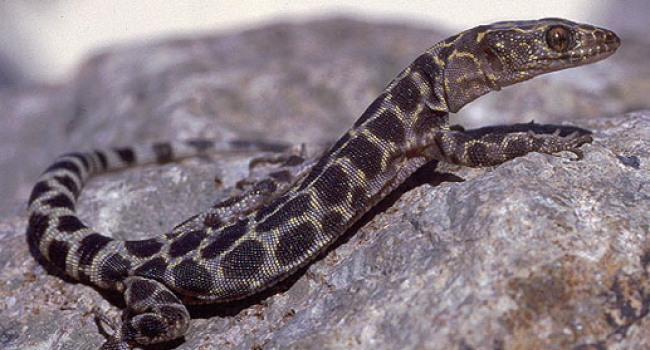
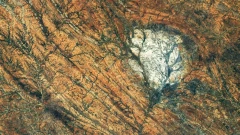
American scientists from Yale University have made a remarkable discovery: tiny lizards of the Xantusiidae family managed to survive the asteroid impact that triggered the mass extinction of dinosaurs 66 million years ago. Even more surprisingly, these reptiles lived near the epicenter of the impact — on the Yucatán Peninsula, where today lies the 180-kilometer-wide Chicxulub crater. The study was published in Biology Letters.
Xantusiidae: Nocturnal Lizards
The discovery concerns small nocturnal lizards with body lengths of no more than 10 centimeters. Using molecular clock analysis, scientists determined that the last common ancestor of modern Xantusiidae lived around 90 million years ago. Two evolutionary lineages of these lizards survived in areas near the impact zone, and their descendants are still found in parts of North and Central America, including Mexico and the southwestern United States.
“These lizards were likely right on the edge of the asteroid’s impact zone,” noted lead author Chase Brownstein.
Secrets of Survival
The exact reasons why Xantusiidae survived remain a mystery, but researchers have proposed several hypotheses. Key factors likely included:
- Slow metabolism: Their low food requirements may have helped them survive long periods of resource scarcity after the catastrophe.
- Secretive lifestyle: These lizards live in rock crevices, under tree bark, or in other shelters, which may have protected them from the immediate effects of the impact, such as intense heat and shockwaves.
- Nocturnal habits: Being active at night might have reduced their exposure to radiation and extreme temperature fluctuations.
These traits likely helped them endure the global climate changes caused by dust and ash clouds that blocked sunlight for years after the impact.
A Unique Discovery
Xantusiidae are the only known terrestrial vertebrates that survived near the Chicxulub crater since the Cretaceous extinction. Other surviving species either migrated to safer regions or later went extinct. The lizards' resilience highlights their extraordinary ability to adapt to extreme conditions.
The Chicxulub crater, created by an asteroid approximately 10–15 kilometers in diameter, is believed to have caused the extinction of 75% of all species on Earth, including non-avian dinosaurs. The impact triggered fires, tsunamis, and a prolonged global cooling event known as an "impact winter."
Scientific Significance
This discovery holds great importance for paleontology and evolutionary biology. It shows how small, unassuming creatures were able to withstand one of the most devastating catastrophes in Earth’s history. The study also underscores the importance of ecological niches in determining species survival during mass extinctions.
Researchers plan to continue studying Xantusiidae to understand which genetic and physiological adaptations allowed them to endure. They also intend to compare their DNA with that of other reptiles that survived the Cretaceous extinction, such as crocodiles and turtles.