make preferable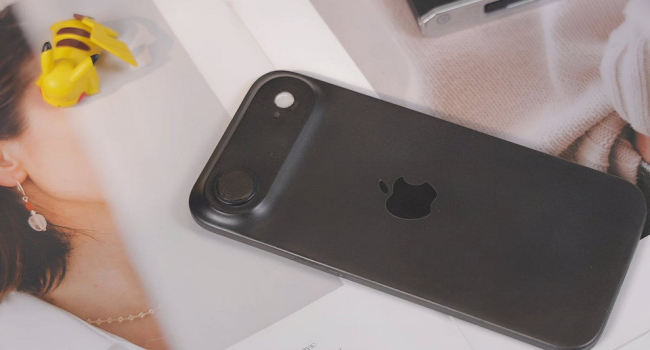
According to supply chain leaks, the iPhone 17 Air, expected in September 2025, will be Apple’s thinnest smartphone yet at just 5.5 mm—0.3 mm slimmer than its main rival, the Samsung Galaxy S25 Edge, in the ultra-thin device segment. However, its sleek design and lightweight 145-gram build may come at a significant cost: limited battery life.
Battery Concerns
Insiders report that the iPhone 17 Air will feature a modest 2,800 mAh battery. In contrast, the similarly sized Samsung Galaxy S25 Edge boasts a 3,900 mAh battery, a 1,100 mAh advantage. This gap raises fears that the iPhone 17 Air, with its 6.6-inch OLED display and 120 Hz refresh rate, may struggle to last half a day on a single charge under modern usage conditions.
Hope Through Technology
Apple is likely to address the small battery capacity through several innovations:
- Silicon-Carbon Batteries: Rumors suggest Japanese supplier TDK is developing silicon-anode batteries for the iPhone 17 Air, potentially boosting effective capacity by 15–20%. This could raise the real capacity to 3,200–3,360 mAh, comparable to the iPhone 15.
- AI Optimization: iOS 19 is expected to introduce energy-saving algorithms powered by Apple Intelligence, analyzing user habits to optimize power consumption in real-time, potentially extending battery life significantly.
- Energy-Efficient Chip: The iPhone 17 Air is likely to feature the A19 chip and C1 modem, which promise improved energy efficiency compared to previous models.
Criticism and Expectations
Online discussions have already sparked criticism, with some accusing Apple of prioritizing design over battery life to push sales of proprietary accessories like battery cases. Apple previously offered Smart Battery Cases for the iPhone 6s–11, and rumors suggest a MagSafe battery case may return for the iPhone 17 Air.
Some experts view the 2,800 mAh capacity as a step backward, especially since the iPhone 12, released five years ago, had a similar 2,815 mAh battery. However, if Apple’s new technologies deliver, the iPhone 17 Air’s battery life could match current models like the iPhone 16, which achieved 13 hours and 19 minutes in tests. What to Expect from the Launch?
What to Expect from the Launch?
The iPhone 17 Air’s official unveiling is anticipated in September 2025, with iOS 19 likely previewed at WWDC in June. Users and experts are eager to see how Apple justifies the smaller battery and what innovations it will offer to compensate. The model’s success will hinge on Apple’s ability to balance aesthetics with practicality to avoid alienating buyers.
Conclusion
The iPhone 17 Air promises to be a revolutionary device with its ultra-thin design, but its 2,800 mAh battery raises concerns. Can Apple leverage advanced technologies and AI optimization to deliver respectable battery life? We’ll only know after the smartphone’s release. For now, the iPhone 17 Air appears tailored for those who prioritize style over practicality, yet it holds the potential to surprise with innovative solutions.