make preferable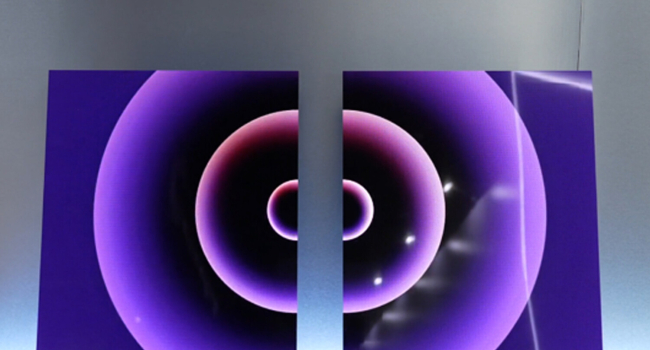
LG Electronics has unveiled a groundbreaking Zero Bezel Micro LED technology, enabling modular displays without any visible borders. Announced on May 16, 2025, and covered by TechRadar, this prototype promises to redefine visual systems. Combining seamless design, high brightness, and unparalleled flexibility, these displays are poised to become the new standard for retail showcases, control rooms, and digital installations. Here’s what makes this technology unique, how it works, and why it could outshine OLED.
What Is Zero Bezel Micro LED?
LG’s Zero Bezel Micro LED is a modular display system entirely free of bezels. The prototype features two 22-inch Micro LED panels that can be combined into seamless screens of any size or shape. It’s the first solution where transitions between modules are visually imperceptible, setting it apart from previous technologies, including premium OLED and QLED displays.
Key Prototype Specifications:
- Size and Resolution: Each panel is 22 inches with a 480x540 pixel resolution (low for a prototype but scalable).
- Refresh Rate: Variable, ranging from 48 to 144 Hz, ideal for dynamic content.
- Modularity: Panels operate independently or combine into an ultra-wide display.
- Flexibility: Unlimited module combinations enable screens of any shape, from walls to curved installations.
- Technology: Self-emissive Micro LED pixels (each LED is a subpixel), offering precise brightness and color control.
- Construction: Panels connect via precision magnetic mounts and synchronize through LG’s proprietary software, reducing seams to 0.1 mm (invisible to the naked eye).
Advantages Over OLED and QLED
Micro LED represents the next evolution of display technology, blending the strengths of OLED and LED while eliminating their drawbacks. LG’s Zero Bezel Micro LED stands out with the following features:
- True Bezel-Free Design: Unlike OLED and QLED, which have thin but visible bezels (0.5–2 mm) when tiled, Zero Bezel delivers a continuous image, perfect for retail displays, digital walls, and control rooms.
- Superior Brightness and Contrast: Micro LED achieves peak brightness up to 4000 nits (compared to 1000–2000 nits for OLED), ensuring visibility even in direct sunlight.
- Deep Blacks: Self-emissive pixels switch off completely, like OLED, but without burn-in risks.
- Longevity: Micro LED boasts a lifespan of up to 100,000 hours (11 years of continuous use), far exceeding OLED’s 30,000–50,000 hours.
- Color Accuracy: Covers 100% of the DCI-P3 gamut with pixel-level calibration, surpassing QLED in precision.
- Energy Efficiency: Consumes 20% less power than LCD at comparable brightness levels.
OLED Issues Addressed by Micro LED:
- No burn-in, critical for static images in airports or malls.
- High brightness without quality loss, unlike OLED’s brightness limitations.
- Modular design allows replacement of individual panels rather than entire screens.
Applications
LG positions Zero Bezel Micro LED primarily for professional and commercial use, with potential for consumer markets:
- Retail and Advertising: Seamless screens for shopping malls, where visual continuity is key. For example, a store window could become a single 100-inch display.
- Control Rooms: Uninterrupted panels for real-time data monitoring in airports or power grids.
- Digital Installations: Museums, exhibitions, and art spaces can create curved or spherical displays.
- Public Spaces: Information walls for train stations or stadiums.
- Consumer Future: LG hints at home TVs and gaming monitors, though high costs currently limit this prospect.
Example: The prototype’s two 22-inch panels could scale to an 8x8-meter concert wall or a compact 55-inch home TV.
Comparison with Competitors
LG isn’t alone in pursuing Micro LED, but Zero Bezel sets it apart:
- Samsung The Wall: A modular Micro LED with minimal bezels (0.4 mm), but seams remain visible. Samsung focuses on large installations (up to 1000 inches), while LG offers flexibility for small to medium screens.
- Sony Crystal LED: High brightness (1800 nits) and modularity, but wider bezels (0.6 mm) and higher costs.
- TCL Mini LED: A more affordable alternative, but it lacks self-emissive pixels and has visible bezels.
LG’s Edge: Complete seamlessness and versatility, applicable to both 22-inch monitors and massive walls.
Pros and Cons
Pros:
- Truly bezel-free for seamless displays.
- Exceptional brightness (up to 4000 nits) and contrast.
- Long lifespan (100,000 hours) with no burn-in.
- Flexible configurations, from small panels to vast installations.
- Energy-efficient with precise color reproduction.
Cons:
- High cost: The prototype is estimated at tens of thousands of dollars per module.
- Low prototype resolution (480x540 for 22 inches), limiting sharpness.
- Limited availability: Currently aimed at B2B (commercial) clients.
- Competition from Samsung and Sony, already deploying Micro LED solutions.
What’s Next?
LG has ambitious plans for the technology:
- 2026: Commercial launch of Zero Bezel Micro LED for retail and control rooms, with panels offering 1080p resolution or higher.
- 2027: Consumer products like 55–77-inch TVs and gaming monitors, contingent on cost reductions.
- Innovations: Integration with AI for adaptive content and 8K support for large installations.
- Competition: Samsung is preparing The Wall 2.0, and Sony is developing Crystal LED Gen 2, intensifying the Micro LED race.
LG is also working to lower production costs by optimizing supply chains and scaling factories in South Korea.