make preferable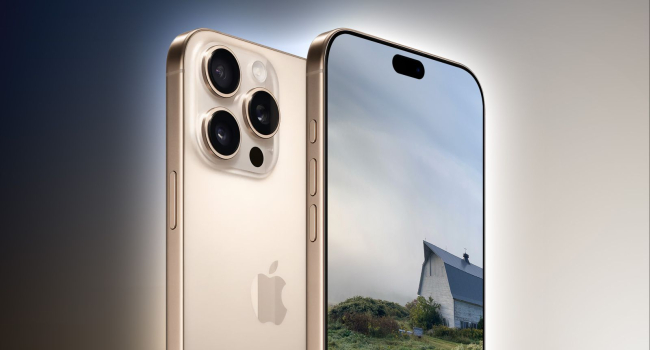
Apple is preparing groundbreaking changes for the iPhone 18 Pro, expected to launch in September 2026. The flagship will eliminate the Dynamic Island cutout, introduce under-display Face ID, and possibly feature a new front camera design. These innovations promise to make the iPhone 18 Pro Apple’s most futuristic smartphone yet. Here’s how the design will change, what’s next for Dynamic Island, and what to expect from iPhone in the coming years.
Under-Display Face ID: Goodbye, Cutout
The iPhone 18 Pro will be Apple’s first smartphone with under-display Face ID, hiding facial recognition sensors beneath the AMOLED panel. This will remove the Dynamic Island, introduced with the iPhone 14 Pro in 2022, creating a fully edge-to-edge screen.
How It Works:
- A supplier has developed cathode films that allow infrared light to pass through screen pixels, enabling Face ID sensors (TrueDepth, IR camera, dot projector) to function under the panel without visible holes.
- The technology is being tested on iPhone prototypes, with implementation expected in 2026.
- Apple is likely to set a trend, as it did with the notch in 2017, with Android brands like Samsung and Xiaomi expected to follow.
What Happens to Dynamic Island?
Dynamic Island, the interactive area around the cutout, displays notifications, app statuses, and controls (e.g., for music or timers). With under-display Face ID, its future is uncertain:
- If the cutout is eliminated, Apple may integrate Dynamic Island’s functions into iOS 20 using software widgets or side panels, similar to macOS.
- Alternatively, a small cutout for the front camera could remain, but without interactive features, though this seems less likely given Apple’s focus on minimalism.
Front Camera: Unusual Placement
Apple is experimenting with placing the front camera in the top-left corner of the screen, rather than the center, as in current models. This could be a compromise to maintain high-quality selfies (12 MP, f/1.9) without full under-display integration until the iPhone 19 in 2027.
Pros and Cons of the Corner Camera:
- Pros: Frees the screen’s center for content, simplifies under-display sensor production.
- Cons: The unconventional placement may disrupt video calls or selfies. Android brands like Samsung tried corner cutouts but abandoned them due to user criticism.
If Apple retains a camera cutout, it will be minimal (~3–4 mm), but this may delay a fully cutout-free design until 2027.
Context: Apple’s Plans Through 2026
The iPhone 18 Pro is set for September 2026, 16 months after the iPhone 17 in 2025. Here’s Apple’s roadmap:
- 2025: iPhone 17 and 17 Air
- iPhone 17 Air: Ultra-thin (6–7 mm), A19 chip, single 48 MP rear camera, no Pro features (ProMotion, telephoto). Price ~$999.
- iPhone 17 Pro: Enhanced A19 Pro chip, 48 MP cameras, retains Dynamic Island.
- iOS 19: Wi-Fi synchronization, visionOS-inspired elements, improved Apple Intelligence.
- 2026: iPhone 18 and Foldable iPhone
- iPhone 18 Pro: Under-display Face ID, possible corner camera cutout, A20 chip (2 nm), iOS 20.
- iPhone Fold: 7.8" inner screen, 5.5" outer screen, ~$1999, “liquid metal” hinge.
- 2027: Glass iPhone and Smart Glasses
- Glass iPhone: Fully glass design (marking 10 years since iPhone X) with under-display camera.
- Apple Glass: AI-powered smart glasses, $300–500.
The iPhone 18 Pro will bridge current models and the fully cutout-free design of 2027.
Pros and Cons (Expected)
Pros:
- Edge-to-edge screen for immersive gaming and video.
- Under-display Face ID maintains security and convenience.
- Enhanced ecosystem with iOS 20 and Apple Intelligence.
- Potential redesign with new camera placement.
Cons:
- Corner camera may be inconvenient for selfies and calls.
- High price (~$1199–$1299 for Pro) due to new technologies.
- Removing Dynamic Island may require software adjustments.
- Risk of early issues, as seen with Android’s first under-display cameras.
What’s Next?
Before the iPhone 18 Pro, Apple will unveil the iPhone 17 and 17 Air in September 2025 at WWDC, revealing iOS 19 details and possibly under-display Face ID prototypes. In 2026, Samsung Display and LG Display will begin mass-producing panels for the iPhone 18, with increased cathode material supplies. If the technology succeeds, the iPhone 19 in 2027 will be Apple’s first fully cutout-free smartphone.