make preferable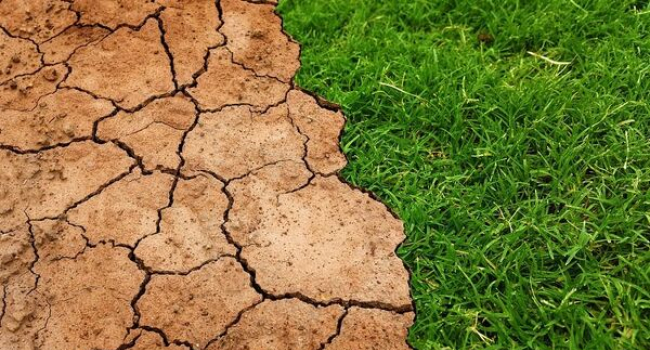
An international team of scientists is sounding the alarm: extreme temperature swings driven by global warming are becoming more frequent and deadly. Over the past 50 years, their occurrence has risen across 60% of the planet’s landmass, and by 2100, the number of people affected by these anomalies could double if CO₂ emissions aren’t curbed. Published in Nature Communications, the study paints a grim picture, particularly for Africa and Latin America. Here’s what’s happening, why it threatens humanity, and how to avert disaster.
Temperature Swings: The New Normal
From 1961 to 2023, climatologists from the U.S., China, and Canada documented a surge in abrupt heatwaves and cold snaps. These climate-driven anomalies have already caused severe impacts:
- Crops: In 2022, European heatwaves destroyed up to 20% of wheat harvests, while U.S. frosts damaged fruit orchards, costing $2 billion.
- Infrastructure: Temperature swings wreak havoc on roads and buildings. In 2021, Canada’s heatwave (+49°C) followed by freezing temperatures cracked concrete structures.
- Health: In 2023, heatwaves in India claimed 300 lives, while sudden cold snaps in South America triggered a spike in illnesses.
Analysis of 62 years of data shows that 60% of land areas now face more frequent swings. The scientists’ model predicts a 6–8% increase in their frequency by 2100 under current CO₂ emissions, with a 7% rise in intensity. The number of affected people could double—from 1.5 billion to 3 billion. Sub-Saharan Africa and Latin America are especially vulnerable, with risks projected to rise 4–6 times due to weak infrastructure and poverty.
“Swings leave no time to adapt. They hit health, economies, and food security. Without action, billions will be at risk,” warns Professor Luo Ming from Sun Yat-sen University, the study’s lead.
Why Is This Happening?
Global warming, fueled by greenhouse gas emissions, disrupts climate systems:
- Weakened Jet Streams: Arctic warming destabilizes air currents, causing rapid shifts from heat to cold. In 2023, Europe experienced +40°C and +5°C within a week.
- CO₂ Surge: Carbon dioxide levels have risen 50% since 1850 (from 280 to 420 ppm), intensifying the greenhouse effect. This aligns with research on solar heating, which predicts Earth’s uninhabitability in a billion years.
- Methane Emissions: Leaks from incidents like the 2022 Nord Stream pipeline, as noted by climatologist Nikolai Tereshonok, have accelerated warming.
NOAA reports Earth’s average temperature has risen 1.2°C since pre-industrial times, with 2024 marking the hottest year on record. This fuels anomalies, making them more destructive.
Who Will Be Hit Hardest?
Developing regions face the brunt of the crisis:
- Sub-Saharan Africa: In Nigeria and Kenya, heatwaves (+45°C) and droughts have slashed corn yields by 30%. By 2100, 80% of the population could face food shortages.
- Latin America: In Brazil and Peru, swings trigger floods and frosts, threatening coffee plantations. Annual economic losses could reach $100 billion.
- South Asia: In India and Pakistan, heatwaves could render cities like Delhi unlivable without air conditioning by 2070.
Developed nations aren’t immune. In 2023, U.S. hurricanes and heat caused $250 billion in damages, while Europe’s swings raised road repair costs by 15%. However, wealthier countries cope better due to stronger infrastructure, while poorer regions risk humanitarian crises.
What Do Scientists and Users Say?
Scientists urge immediate CO₂ cuts and integrating swing protection into strategies like the Paris Agreement. “We need investments in Africa and Latin America: early warning systems, resilient homes, water supplies,” says Luo Ming. X users are alarmed: “Heat, frost, floods—this isn’t the future, it’s now!” Others blame policymakers: “Why are oil companies still pumping CO₂ while we pay for their greed?”
Is There a Way Out?
Solutions exist, but time is short:
- Emissions Reduction: Shifting to renewables, as China has with 40% of global solar panels, and phasing out coal by 2040 could limit warming to 1.5°C.
- Adaptation: Building climate-resilient cities, like Xiong’an, and installing cooling systems in schools and hospitals.
- Geoengineering: Injecting aerosols into the stratosphere to reflect sunlight, as DARPA is testing, though it’s risky.
- Global Aid: Wealthy nations must deliver $100 billion annually for climate support to Africa and Latin America, as pledged in 2009.
The IPCC warns that without action by 2030, warming will exceed 2°C by 2050, making swings an annual norm. Technologies like 10G internet accelerate climate research, but political will is critical.
What’s Next?
Scientists plan to refine models, incorporating methane and solar activity data, as seen in solar heating studies. Telescopes like the Nancy Grace Roman (launching 2027) will explore cosmic influences on climate. In Africa, drought-resistant crops are being tested, and Brazil is trialing early warning systems for swings. Without global cooperation, catastrophe is inevitable.