make preferable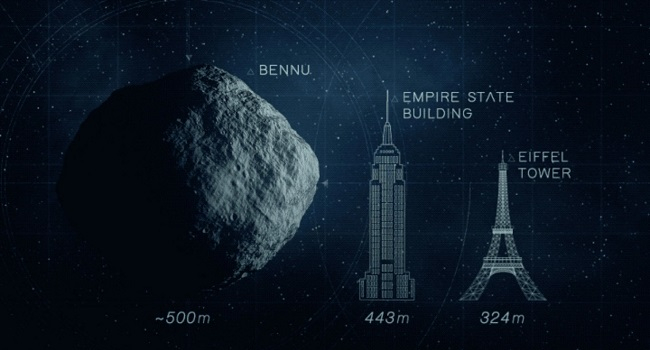
Seven years ago, NASA’s launch of the OSIRIS-REx spacecraft marked a milestone in space exploration. The probe successfully collected samples of ancient soil from the asteroid Bennu and returned them to Earth. Scientists hope these materials will unlock secrets about the origins of life on our planet.
A Unique Asteroid with a Distinct Personality
Discovered in 1999, Bennu is a relatively recent find in astronomical terms. Spanning about 500 meters in diameter, it has captured scientists’ attention over the past decades due to its unusual behavior.
Researchers view Bennu as a cosmic time capsule, preserving ancient space dust that may hold traces of organic compounds and water—essential building blocks for life. Analyzing this data could shed light on processes that unfolded in the Solar System billions of years ago.
Does Bennu Pose a Threat?
Beyond its scientific allure, Bennu carries a potential hazard. Experts caution that its orbit could, in the distant future, set it on a collision course with Earth. While the odds of this happening in the coming decades are slim, astronomers continue to monitor its trajectory closely.
Should an object of this size enter Earth’s atmosphere, the consequences could be catastrophic:
- Widespread destruction across vast regions,
- Tsunamis triggered by impact,
- Global wildfires,
- Climate shifts that could disrupt the planet’s entire ecosystem.
Why Studying Bennu Matters
As researcher Ekaterina Borodina points out, exploring asteroids isn’t just a scholarly pursuit—it’s a critical step toward safeguarding Earth from cosmic threats. “It’s yet another reminder that space can be unpredictable and perilous,” she emphasizes.
Studying Bennu offers dual benefits: deepening our understanding of the early Solar System and paving the way for strategies to avert future asteroid collisions. Modern technology empowers humanity not only to explore the cosmos but also to prepare for its unforeseen challenges.
Looking Ahead
Bennu is both a scientific treasure and a potential danger. Its study brings us closer to answering profound questions about life’s origins while enhancing our ability to ensure cosmic security. Investigating such celestial bodies is vital—not just for unraveling the past, but for securing a safer future for our planet.