make preferable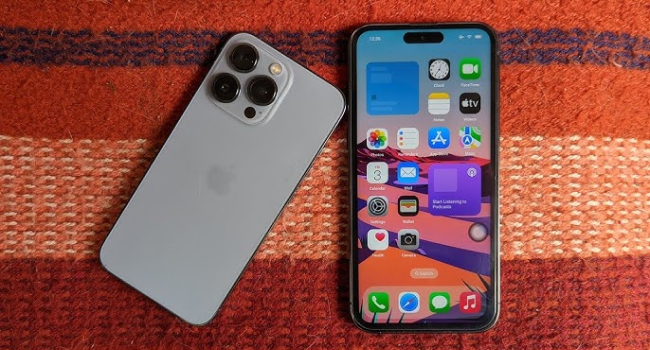
Apple smartphones are in high demand today, which has led many scammers to create and sell counterfeit devices for profit. Some counterfeits are easy to distinguish with the naked eye, while others do a pretty good job of mimicking the appearance of genuine iPhones.
NEWS.am Tech has decided to figure out how to identify a fake iPhone and which models are most often counterfeited.
How to Identify a Fake iPhone
A. Appearance
- Build Quality: Genuine iPhones are known for their premium materials and precise assembly. Counterfeit devices often feel lighter or appear obviously cheaper, with uneven gaps or low-quality materials.
- Buttons and Ports:
- Genuine iPhones have a specific button layout and no headphone jack (starting with iPhone 7).
- Check the Lightning port—counterfeits may use a micro-USB port.
- Apple Logo: Pay attention to the position, size, or finish of the Apple logo. The real logo is level with the surface of the case.
- Screen: Fake iPhones may have low-resolution screens, poor brightness, or inaccurate colors.
B. Software and Functionality
- iOS vs. Android:
- Genuine iPhones run on the iOS operating system. Many counterfeits use Android, imitating the iOS interface.
- Check the settings: Go to Settings > General > About and ensure the system is iOS.
- App Store: Only the App Store is available on genuine iPhones. Counterfeits may contain Google Play Store or another app store.
- Performance: Fake devices often experience delays or unusual behavior compared to the smooth operation of Apple devices.
C. Checking Serial Number and IMEI
- Apple Website:
- Find the serial number in Settings > General > About and check it on Apple's warranty check website.
- Counterfeits often have invalid or unrecognized serial numbers.
- IMEI Number: Dial *#06# to check the IMEI and compare it with the number listed on the phone's box or in the settings.
D. Packaging and Accessories
- Box Design: Genuine iPhone boxes have sleek designs, high-quality printing, and accurate dimensions, which can be checked online for the specific model.
- Accessories: Apple accessories, such as chargers and cables, are well-made and have the branded logo. Counterfeits often include low-quality copies.
E. Price
Is the price too good to be true? If the device is significantly cheaper than the market price, it should raise suspicion.
Which iPhone Models Are Most Often Counterfeited?
Counterfeits are most commonly found among popular models: iPhone 14, 15, as well as iPhone 10, 11, and some older models. There have even been cases of fraud where "Chinese refurbs" are sold as newer models with fake IMEI numbers. The Apple Watch Ultra is also at risk due to the high cost of original parts.
Older models, like iPhone 6, 7, and X, are also frequently counterfeited due to their constant demand and low resale value, making them still attractive to many consumers. Newer models such as iPhone 11, 12, and 13 are also targeted due to their popularity and premium reputation.
Final Recommendations
- If possible, it is advisable to purchase an iPhone only from authorized Apple retailers or official stores, where the likelihood of buying a counterfeit device is much lower.
- If buying a used phone, meet in person, thoroughly inspect the phone, and verify its authenticity through Apple services before finalizing the deal.