make preferable
The heads of the world's largest solar power plants are alarmed by the many cases in which the glass of solar panels has been damaged for no apparent reason. An analysis of the hot-track situation showed that this could be due to changed panel manufacturing technologies that were not fully taken into account when testing the finished product in production. However, the final answer to why the glass cracks has not yet been given.
"We've had reports from Brazil, Chile, Australia, the United States and other countries that [solar panel] glass has broken for no apparent reason," said Tristan Erion-Lorrico, vice president of sales and marketing at PVEL Solar Testing Laboratory. “It was independent of region, system type, and manufacturer. That's why it's so concerning."
There are no exact statistics on solar panel damage. According to PVEL, they are about hundreds of megawatt panels. Some cases were investigated in detail and even the cause of the injury was determined. In particular, it was proven that the glass cover was damaged due to extremely powerful robotic lawnmowers, as a result of which stones were thrown onto the panels. However, in many cases, the reasons have not been identified.
Individual power plant operators emphasize that the damaged panels were not exposed to strong wind, rain or hail. Just during the regular inspection, new cracks were found on the glass cover of the panels, which were not present during the previous inspections. A preliminary analysis of cases of cracking of the protective glass of solar panels has shown that there is a certain pattern in most cases. All of them refer to panels with two layers of protective glass.
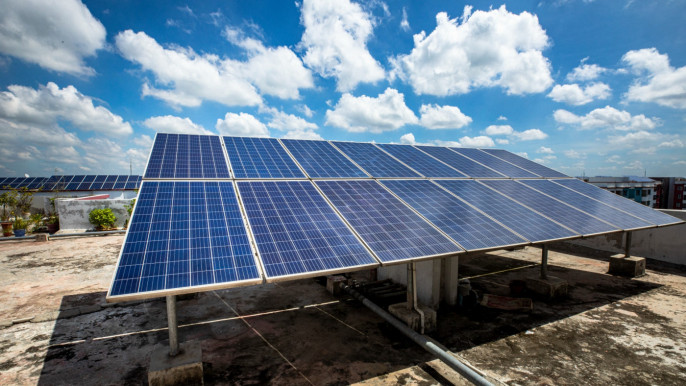
Previously, the panels were covered with only one 3.2 mm protective glass on the top of the module, while the back of the module was covered with a plastic base. About 10 years ago, companies began to produce panels with protective glass on both sides of the module, which should increase their resistance to the external environment and load. However, in order to reduce the weight of the modules, the thickness of the protective tempered glass had to be reduced to 2 mm, which ultimately increased the probability of their damage.
Experts also note that glass firing technology provides different quality depending on its thickness and additives. For example, the glass should be relatively thick so that the heating inside is at the appropriate level. Thick glass withstands these conditions more easily than thin glass. Ultimately, it's a matter of production costs. If there is an opportunity to save money, manufacturers take advantage of it.
Finally, reducing the thickness of the glass made it possible to lighten the frame of the modules, which increased the load directly on the glass. The same applies to the methods used for fastening (clamping) panels, adjusting the lighting angle, etc. Panel manufacturers, in turn, take into account these points (but not all) and give advice on fastening methods and permissible loads, but there is no uniform methodology or standard. Therefore, there is a need to review a number of standards in this area, for example, for manufacturers to test panels and implement new certification.
In the US, the National Renewable Energy Laboratory (NREL) has taken on the task of solving the problem. Researchers have begun to study panel damage by analyzing the glass, its structure, quality, chemical composition, and physical properties. Special equipment is being used and scientific methods are being developed that promise to help develop new standards of solar panel quality and ability to withstand mechanical stress.