make preferable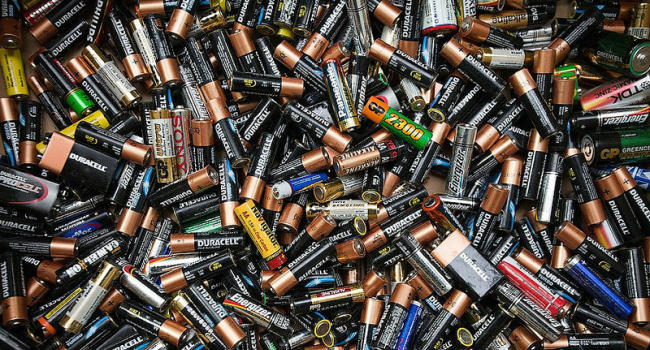
Every day, millions of people throw used batteries and accumulators into ordinary trash bins without thinking about the consequences. This habit creates a real risk of fire, both during waste collection and at sorting facilities. Georgiy Tsereteli, head of new product development at Ippon, explained this to Gazeta.Ru.
Why Batteries Become a Source of Fire
Lithium power cells are especially dangerous. These are the ones used in smartphones, laptops, power banks, wireless headphones, and children’s toys. If their casing is damaged or a short circuit occurs, they can ignite on their own.
The specialist explained that even a small battery can heat up very quickly during a short circuit. This leads to the decomposition of the electrolyte and the release of flammable gases. As the process develops further, thermal runaway may occur, which can ignite surrounding waste.
The risk appears already inside the trash container. Batteries are compressed by garbage bags, hit each other, and come into contact with metal objects such as coins, paper clips, foil, and wires. Uninsulated contacts can easily short-circuit, triggering the dangerous process.
Accumulators from household devices are no less hazardous. This includes power banks, power tools, and uninterruptible power supplies. Damaged battery packs can heat up, release toxic fumes, and become a cause of fire during transportation or sorting.
How to Properly Dispose of Batteries and Accumulators
To avoid danger, experts advise never throwing power cells into regular trash. They should be taken to specialized collection points for hazardous waste. Such points are available in most large electronics stores, hypermarkets, and dedicated battery collection locations.
Before handing them in, it is recommended to insulate the contacts. This can be done by covering them with electrical tape or regular tape, or by placing the battery in a separate bag or box. This significantly reduces the chance of accidental short circuits.
Large battery packs from uninterruptible power supplies, electric scooters, and electric bicycles should not be disassembled or discharged at home. They are safer to hand over to service centers or specialized recycling facilities.
Why This Is Especially Important Now
With the growing number of gadgets powered by lithium-ion batteries, the amount of used power cells ending up in trash is constantly increasing. Fires at waste sorting plants caused by discarded batteries have already become a regular occurrence in many countries. A simple habit of taking them to proper collection points helps not only protect the environment but also prevents real fire hazards.
In Brief
Throwing batteries and accumulators into ordinary trash is dangerous. When damaged or short-circuited, lithium cells can heat up, enter thermal runaway, and ignite surrounding waste. The risk begins already in the trash container because of pressure, impacts, and contact with metal objects. The solution is simple: take them to hazardous waste collection points after insulating the contacts. Large battery packs are best handed over to service centers. This is not only about environmental protection but also about real fire safety.