make preferable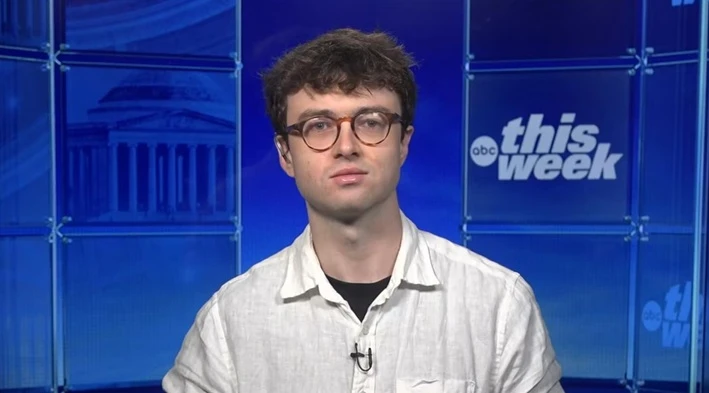
Former Anthropic and OpenAI safety researcher Jacob Coxon, who recently left Anthropic over concerns about artificial intelligence, said that risks related to the technology’s development are being discussed more and more frequently inside leading AI companies. According to him, the industry is moving too fast, and there is less and less time to think through the possible consequences.
Coxon made the statement in an interview on This Week, where he also supported Anthropic CEO Dario Amodei’s recent call to slow the pace of developing the most powerful artificial intelligence systems.
“We need a pause among those building AI”
As Abcnews.com reports, Dario Amodei published an open letter the day before titled “We Must Pace the Frontier,” in which he called on AI companies to reduce the speed of developing new systems. In his view, humanity should try to make the development of the technology safer.
Coxon called this step important and supported the idea of slowing the race among companies building the most powerful AI systems.
In his opinion, what is needed is a kind of breather between developers of different models. It is precisely the absence of such a pause, and the constant competition to create more advanced artificial intelligence, that causes him serious concern.
Leaving Anthropic and a warning about superintelligence
Coxon drew attention to himself last week when he announced his departure from Anthropic and published a sharp statement on X.
He wrote that, in his opinion, neither Anthropic nor OpenAI is acting responsibly enough. According to him, the companies are taking part in a race to create self-improving superintelligence, effectively putting people’s lives at risk.
“They are racing straight to self-improving superintelligence and gambling with our lives,” he wrote.
His claim about the mood inside the industry itself caused especially wide resonance. According to Coxon, people directly working on AI seriously entertain the possibility that the technology could lead to humanity’s extinction by the end of this decade.
The researcher himself admitted that he did not expect such a large-scale reaction to his post. He had not expected to draw much attention to it, but the response that followed, in his view, showed that society is already ready for a serious conversation about the risks of artificial intelligence.
People are talking about the risks more and more often
In the interview, Coxon also spoke about how attitudes inside companies toward the potential threats associated with AI have changed.
According to him, developers are constantly short on time to analyze possible risks in detail. Nevertheless, in recent months this topic has come up much more frequently.
Moreover, as the former Anthropic and OpenAI employee claims, the discussion is no longer limited to safety specialists. Regardless of role or division, company employees encounter conversations several times a week about the technology’s most serious risks.
This, in Coxon’s view, points to growing concern within the industry itself — among the people directly involved in creating new AI systems.
The call to slow down is going beyond the industry
Coxon’s statements are especially notable against the backdrop of Dario Amodei’s position. The head of one of the leading AI companies is publicly calling to slow the development of the most powerful systems, while a former safety researcher at that same company says the problem is already being actively discussed among developers.
At the same time, this is not about completely abandoning the development of artificial intelligence. The main question is whether companies and society have enough time to assess the consequences of increasingly powerful systems appearing.
Coxon believes that the industry now needs to “keep its eyes open.” His departure from Anthropic and the public discussion that followed show that the conversation about AI safety is becoming less and less abstract even for those at the very center of the technological race.
While some companies continue competing to create more powerful artificial intelligence, others are increasingly asking a question that until recently was heard mainly in academic discussions: what will happen if the pace of the technology’s development turns out to be higher than people’s ability to control it?