make preferable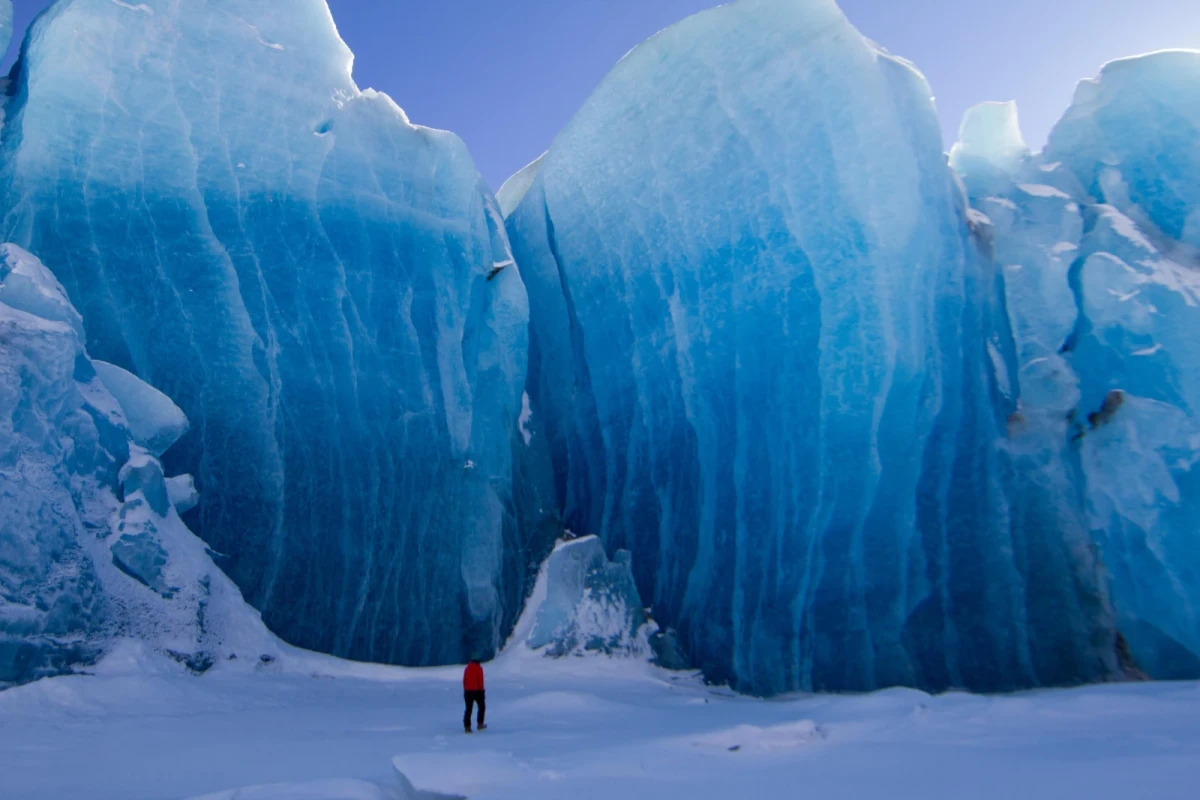
Scientists from the University of Bordeaux have uncovered how small changes in solar radiation around one million years ago helped reshape Earth's climate. A shift in the westerly winds over the North Atlantic extended glacial cycles from roughly 40,000 to 100,000 years. The findings are published in Nature Communications.
What Changed in the Mid‑Pleistocene
The period known as the mid‑Pleistocene transition lasted from about 1.2 million to 650,000 years ago. During this time, the familiar rhythm of glaciations changed: instead of cycles lasting about 41,000 years, cycles of roughly 100,000 years became dominant. Meanwhile, Earth's key orbital variations—parameters that affect the amount of solar heat—did not change substantially. This meant that the transition's cause lay in how the climate system responded to relatively weak external signals.
How Scientists Reconstructed the Picture
The researchers studied pollen from marine sediments off the south‑western coast of Portugal. From the vegetation composition, they reconstructed changes in winter precipitation and the position of the westerly winds. These data were then compared with climate models and other palaeoclimate records.
The crucial interval turned out to be between 930,000 and 790,000 years ago. At that time, the amplitude of seasonal solar‑radiation variations decreased. The westerly winds shifted southward, and the mid‑latitudes of the Northern Hemisphere became noticeably drier.
The Chain from Sun to Ice
The drying meant that snow in more northern regions melted less readily. Ice sheets in Scandinavia and north‑eastern Canada could grow thicker and more stable. Later, after about 790,000 years ago, seasonal radiation variations intensified again. The winds shifted northward and began to carry more moisture towards the ice sheets, sustaining their growth.
Thus, the climate transition did not occur through a sharp break but through a gradual chain of processes. Small orbital changes affected solar heating; that altered the position of the winds; and the winds changed precipitation distribution and ice‑sheet development. Interactions between the atmosphere, ocean, ice, and dust further amplified the initial effect and helped lock in the new, longer rhythm of glaciations.
In Brief
Scientists have shown that the shift from 40,000‑year to 100,000‑year glacial cycles was linked to a reorganisation of the North Atlantic westerly winds, driven by small changes in solar radiation. The wind shift first dried the mid‑latitudes and promoted the growth of stable ice sheets, then enhanced moisture delivery to them. A gradual chain of atmospheric and climatic processes locked in the new glacial rhythm around one million years ago.