make preferable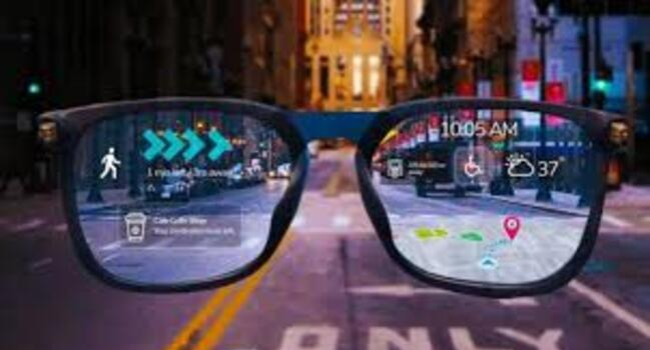
Samsung unveiled plans to launch AI-powered smart glasses during its Galaxy XR presentation on Tuesday, announcing partnerships with Warby Parker and Gentle Monster to challenge Meta’s dominance in the fast-growing smart eyewear market. The announcement positions Samsung as the latest tech giant to enter the wearables arena, where Meta currently holds more than 60% market share, according to Reuters.
The glasses will run on Google’s new Android XR platform and integrate Gemini AI, offering users voice assistance, a camera function, and potentially display-enabled lenses. Samsung is emphasizing a dual-segment market approach: Warby Parker will target mainstream consumers with affordable designs and prescription lens options, while Gentle Monster will focus on fashion-conscious users seeking a premium look.
A Fashion-Forward Strategy Aimed at Meta
Samsung’s partnership strategy directly targets what many see as Meta’s biggest weakness—limited design variety. While Meta’s collaboration with Ray-Ban has proven successful—with more than 2 million units sold since October 2023—Samsung aims to offer a broader range of styles across multiple price points. “Frames, sizes, and colors can’t be one-size-fits-all,” Samsung executives said, describing the partnerships as “the fastest route to designs consumers actually want to wear.”
Timing could prove critical, as the smart glasses market surged 110% year-over-year in the first half of 2025, with AI-powered glasses accounting for 78% of total shipments. Meta’s success has been significant—EssilorLuxottica reported that Meta’s eyewear contributed more than one-third of its growth in Q3 2025—but Samsung believes its deep integration with the Android ecosystem could attract users seeking an alternative to Meta’s platform.
A Broader XR Strategy Beyond Headsets
The announcement of Samsung’s smart glasses coincided with the launch of its $1,799 Galaxy XR headset—the first consumer device built on Android XR. Company executives described the glasses as part of a “broader Samsung XR roadmap,” suggesting that the headset serves as a testing ground for features that will eventually migrate to lighter, more portable eyewear formats.
Although Samsung has not provided a release timeline for the smart glasses, the open architecture of the Android XR platform could accelerate development compared to Meta’s closed ecosystem. Google’s Shahram Izadi noted that “there’s a comprehensive journey ahead in terms of other devices and form factors,” highlighting that smart glasses represent a key component of the companies’ long-term wearable computing strategy.