make preferable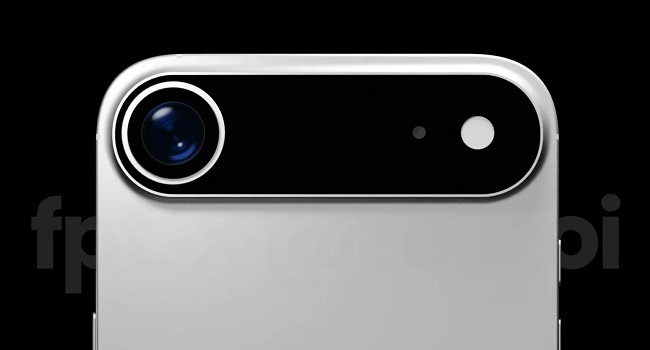
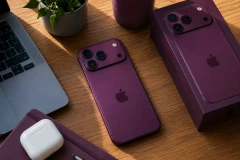
According to numerous leaks, Apple is radically revising its iPhone release strategy for 2026. The base iPhone 18 will not appear in the traditional fall announcement — the first time since 2007 that Apple will skip a numbered flagship release. Instead, the company will shift focus to premium models and unveil its first foldable iPhone. Here’s what Apple fans can expect in 2026–2027.
The New iPhone Lineup for 2026
In fall 2026, Apple plans to launch four models, but without a standard iPhone 18:
- iPhone 18 Air: A thin and lightweight smartphone that will replace the base model. It will feature a single rear camera and likely inherit the ultra-thin design of the iPhone 17 Air (around 5.6 mm thick).
- iPhone 18 Pro and iPhone 18 Pro Max: Premium models with upgraded features, including 6.3-inch and 6.9-inch displays, either under-display Face ID or a reduced Dynamic Island cutout, and new triple-layer Samsung sensors for better low-light photography. They are expected to run on the A20 chip built on a 2-nm process, delivering up to 15% faster performance and 30% greater energy efficiency.
- iPhone Fold: Apple’s first foldable iPhone, designed like a book, similar to Samsung’s Galaxy Z Fold. It will feature a 7.8-inch internal display and a 5.5-inch external screen with a nearly invisible crease. Expected specs include a titanium frame, a durable liquid-metal hinge, dual 48-MP rear cameras, and Touch ID instead of Face ID. With a price of $2000–2500, it will be the most expensive iPhone in history.
Meanwhile, the base iPhone 18 and its budget variant, the iPhone 18e, will be delayed until spring 2027. This marks Apple’s move to a two-phase release strategy: premium models in the fall, and budget options in the spring.
Affordable iPhone 17e in 2026
In spring 2026, Apple will introduce the iPhone 17e, the successor to the iPhone 16e (which itself replaced the iPhone SE line). The device will retain its predecessor’s 6.1-inch OLED display (60 Hz) and cameras (48 MP main, 12 MP front), but will be powered by the faster A19 chip. This phone is aimed at the budget segment and will continue Apple’s yearly updates for entry-level models.
Why Did Apple Drop the iPhone 18 in 2026?
Apple’s decision not to release a base iPhone 18 in fall 2026 comes down to several key factors:
- Premium focus: By releasing only high-end models (Air, Pro, Pro Max, and Fold), Apple encourages buyers to opt for pricier devices, boosting revenue.
- Foldable spotlight: The iPhone Fold will be Apple’s flagship innovation, and dropping the base model avoids overcrowding the lineup.
- Two-phase release cycle: Splitting launches into fall (premium) and spring (budget) ensures two peaks of media attention each year, sustaining brand interest and improving sales. It also helps Apple manage supply chain limitations.
- Market competition: With Samsung and other brands pushing foldables, Apple aims to reinvigorate sales and adapt to logistical challenges such as possible tariffs on China-based production.
Some experts, however, warn that this strategy could confuse customers and damage Apple’s reputation by making the lineup more complex.
Key Technical Innovations
The 2026 iPhone lineup is expected to bring several breakthroughs:
- A20 chip: Built on TSMC’s 2-nm process, offering higher performance and efficiency.
- Cameras: The iPhone 18 Pro and Pro Max may get a 200-MP main sensor, alongside 48-MP ultra-wide and telephoto cameras, plus under-display Face ID for a seamless screen design.
- C2 modem: A new chip with mmWave 5G support, closing the gap with Qualcomm modems.
- iOS 26: A redesigned OS with enhanced Apple Intelligence integration, a new “Liquid Glass” design language, real-time translation, and smarter notifications.
In Summary
Apple is changing its release model by skipping the base iPhone 18 in fall 2026. Instead, it will launch the iPhone 18 Air, Pro, Pro Max, and the groundbreaking foldable iPhone Fold — the most expensive iPhone ever. Budget-friendly iPhone 18 and 18e models will arrive in spring 2027, while the iPhone 17e is set for spring 2026. This strategy highlights Apple’s focus on the premium segment, competition in the foldable market, and maintaining consumer interest year-round — though analysts warn it could complicate product choices for buyers.