make preferable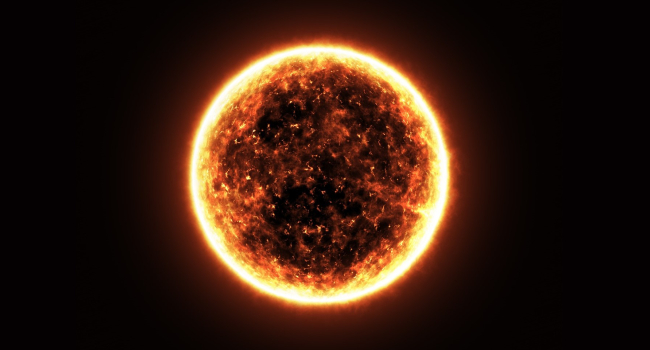
Photographing the Sun is a fascinating process that requires specialized equipment and knowledge of the structures on the solar surface that can be captured. With the right filters and telescopes, you can observe and photograph amazing phenomena such as sunspots, filaments, prominences, and even details during a solar eclipse. Let’s look at the main objects available for observation and photography.
Sunspots
Sunspots are the easiest solar features to photograph. They are cooler regions of the photosphere caused by intense magnetic fields concentrated in specific areas. These fields trigger solar flares and coronal mass ejections.
- Appearance: Sunspots have a dark central region (umbra) and a lighter surrounding area (penumbra), which is still darker than the surrounding photosphere.
- Dynamics: Sunspots can last for weeks or months, but their structure can change within hours due to the emergence or dissipation of magnetic fields.
- How to photograph: Use a white-light solar filter or a solar telescope for photosphere observations. In chromospheric filters (H-alpha or Ca K), spots are visible but with less contrast.
Filaments
Filaments are twisted magnetic structures filled with chromospheric plasma. They originate in the lower layers of the solar atmosphere and extend into the corona.
- Appearance: Against the bright solar disk, filaments appear dark due to their density and temperature.
- How to photograph: Requires H-alpha or Ca II filters, as filaments are not visible through standard white-light filters.
- Features: Their complex structure is best revealed in the chromosphere, where magnetic lines are clearly visible.
Prominences
Prominences are essentially filaments seen along the edge of the solar disk, silhouetted against the darkness of space.
- Appearance: Unlike dark filaments, prominences are bright, as their glow contrasts with the dark background.
- How to photograph: Use the same H-alpha or Ca II filters. A tunable narrowband H-alpha filter enhances contrast, highlighting prominences. Experiment with exposure times to achieve optimal brightness.
- Special case: Prominences can be seen with the naked eye during the total phase of a solar eclipse, making them a popular photographic target.
Solar Eclipses
Photographing the Sun is possible not only in everyday conditions but also during the partial phases of a solar eclipse, when the Moon partially covers the solar disk.
- What to capture: The Moon’s edge creates a unique subject, revealing irregularities in its silhouette caused by craters. This adds extra detail to images.
- How to photograph: Use the same solar filters (white light or H-alpha) as for regular observations. Ensure your equipment protects your eyes and camera from the intense sunlight.
- Tip: During totality, prominences can be photographed without filters—but only during full shadow to avoid damaging equipment.
In Conclusion
Photographing the Sun opens up opportunities to capture fascinating phenomena: sunspots, filaments, prominences, and eclipse details. Specialized filters (white light, H-alpha, Ca II) and solar telescopes reveal different layers of the Sun’s atmosphere. Sunspots are best seen in the photosphere, filaments and prominences in the chromosphere, while eclipses add unique elements such as the Moon’s silhouette. Experiment with filters and exposure to capture the dynamics of solar activity—but always follow strict safety guidelines when working with the Sun’s intense light.