make preferable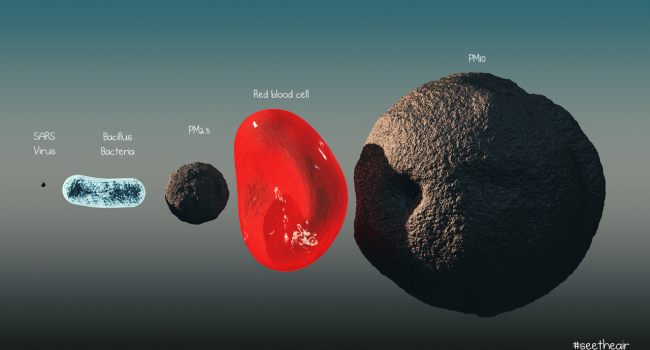
Fine particulate matter PM 2.5 is an invisible threat present in the air everywhere — from mountain peaks to busy city highways. These microscopic particles of dust and aerosols can seriously harm human health. What is PM 2.5, why is it dangerous, and how can we protect ourselves from its effects? Let’s break it down.
What are PM 2.5 particles?
PM particles (from the English Particulate Matter) are fine dust and aerosols ranging from 2.5 to 10 micrometers (µm) in size. For comparison, the diameter of a human hair is 80–100 µm, meaning PM 2.5 is dozens of times smaller. The designation PM 2.5 refers to particles 2.5 µm or smaller in diameter, while PM 10 refers to those up to 10 µm. These particles are so small they’re invisible to the naked eye, but their presence in the air significantly affects health.
Sources of PM 2.5 can be natural or man-made:
- Natural: soil erosion, volcanic dust, plant pollen, sea aerosols
- Anthropogenic: vehicle exhaust, industrial emissions, burning of coal, wood, or trash, construction dust
In urban areas, man-made sources dominate, and soot is often the main component of PM 2.5 — carbon dust that absorbs toxic compounds like heavy metals, polycyclic aromatic hydrocarbons (PAHs), and volatile organic compounds. This makes urban PM 2.5 especially hazardous.
Why is PM 2.5 dangerous?
PM 2.5 particles are considered among the most harmful to human health for two main reasons:
- Long time suspended in air: Due to their small size and weight, PM 2.5 particles hardly settle and remain airborne. This increases the likelihood of inhaling large amounts, especially in high concentrations — for example, in cities or during smog.
- Ability to penetrate lungs and bloodstream: Unlike larger particles (PM 10), which are trapped in the upper respiratory tract, PM 2.5 passes through the body’s natural barriers and settles in the lung alveoli. Some particles can even enter the bloodstream and spread to organs.
According to the World Health Organization (WHO), exposure to PM 2.5 is linked to a number of serious diseases:
- Respiratory issues: bronchitis, asthma, chronic obstructive pulmonary disease (COPD)
- Cardiovascular diseases: increased risk of heart attacks and strokes due to inflammation and oxidative stress
- Lung cancer: long-term exposure to carcinogenic components in PM 2.5, such as PAHs, increases cancer risk
- Other effects: cognitive impairment, premature births, low birth weight
WHO has set strict limits: the average daily concentration of PM 2.5 should not exceed 25 µg/m³, and the annual average should not exceed 10 µg/m³. In Russia, the permissible daily limit is higher — 35 µg/m³, reflecting more lenient standards, but still emphasizing the importance of pollution control.
Where is PM 2.5 concentration higher?
In cities, especially megacities with heavy traffic and industry, PM 2.5 levels are significantly higher than in natural environments. For example:
- Urban areas: vehicle exhaust, factory emissions, and construction dust create high pollution levels. In Moscow, the annual average PM 2.5 concentration in 2023 ranged from 10 to 20 µg/m³ but could reach 50–100 µg/m³ during rush hour or smog.
- Industrial zones: cement plants, metallurgy, and coal-burning facilities emit large amounts of soot and toxic particles.
- Emergency situations: wildfires, like those in Siberia in 2021, can raise PM 2.5 levels to hundreds of µg/m³, creating hazardous conditions.
In rural or natural areas, PM 2.5 levels are usually lower, but natural phenomena like dust storms or volcanic activity can also temporarily raise concentrations.
How to protect yourself from PM 2.5?
Completely avoiding PM 2.5 exposure is impossible, as they’re present even in relatively clean air. However, risks can be minimized by following these tips:
- Avoid polluted areas:
- Try not to spend time near busy roads, industrial sites, or landfills
- During smog or wildfires, limit outdoor activity, especially if you smell burning or see smoke
- Monitor air quality:
- Use online services like The World Air Quality Index (AQICN.org) to check real-time PM 2.5 levels in your area
- Consider buying a home air quality monitor with PM 2.5 sensors
- Use protective measures:
- Respirators: Masks with FFP2 or FFP3 filters effectively block PM 2.5, unlike regular cloth masks. However, wearing them constantly outdoors is impractical, especially in Russia where PM 2.5 rarely reaches critical levels (except during emergencies)
- Air purifiers: Devices with HEPA filters (class H13 or higher) effectively capture up to 99.97% of PM 2.5 indoors. Fresh air systems with HEPA filtration also help maintain clean air
- HEPA-filtered vacuum cleaners: Prevent fine dust from re-entering the air during cleaning
- Improve home ventilation:
- Ventilate rooms during periods of low pollution (e.g., early morning or after rain)
- Ensure windows and doors close tightly to reduce dust infiltration
- Take care of your health:
- If you have chronic respiratory or heart conditions, consult a doctor about protective measures
- Stay hydrated and eat foods rich in antioxidants (fruits, vegetables) to reduce oxidative stress caused by PM 2.5
Why is full protection impossible?
Even with filters and respirators, completely eliminating PM 2.5 is not feasible — they can penetrate through tiny gaps and are present even indoors. Moreover, air quality data in Russia is less available than in countries like China, where PM 2.5 monitoring is integrated into weather forecasts due to the serious environmental situation. Therefore, it’s crucial to focus on minimizing exposure, especially in urban areas and during peak pollution periods.
Conclusion
PM 2.5 particles are microscopic dust and aerosols that pose a serious health threat due to their ability to penetrate the lungs and bloodstream. They cause respiratory, cardiovascular diseases and even cancer, especially in cities where concentrations are higher due to traffic and industry. While complete protection from PM 2.5 is impossible, using HEPA filters, respirators, and monitoring air quality can reduce the risks. In Russia, where PM 2.5 levels rarely reach critical levels except during smog or fires, basic precautions are usually sufficient to maintain health.