make preferable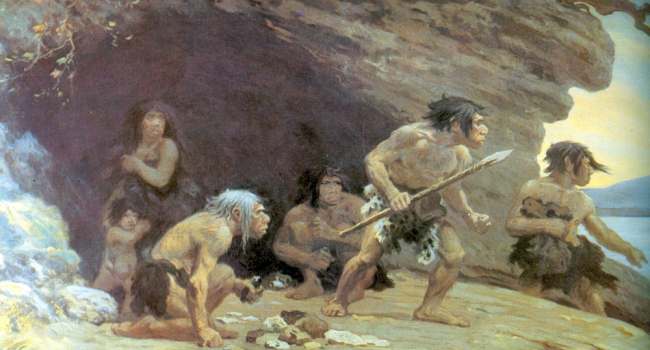
Researchers from the University of Michigan have proposed a hypothesis linking the extinction of Neanderthals to cosmic events. According to their study, published in Science Advances, a temporary weakening of Earth's magnetic field around 41,000 years ago—known as the Laschamp Event—could have led to a spike in cosmic and ultraviolet radiation reaching the planet's surface. This, they suggest, may have played a key role in the decline of Neanderthal populations.
Radiation as a Threat
Lead author and space physicist Arnab Mukhopadhyay argues that during this period, radiation levels on Earth became dangerously high. He proposes that Neanderthals were particularly vulnerable to these environmental conditions, while Homo sapiens were better able to cope—possibly due to their use of dense clothing, protective shelter such as caves, and ochre, which may have served as a natural sunscreen.
Archaeologists Remain Skeptical
The theory has faced skepticism from archaeologists. Critics point out that there is no direct evidence showing Neanderthals did not wear clothing. On the contrary, archaeological findings, including tools used for processing hides, suggest that Neanderthals did use animal skins for protection against the elements—and potentially, radiation. Genetic studies of lice also indicate that early humans had been wearing clothing well before the Laschamp Event occurred.
Moreover, ochre residues—often linked to symbolic use or protection—have been found not only at Homo sapiens sites but also in Neanderthal settlements, and their use predates the proposed radiation event by thousands of years. Additionally, archaeological records do not show a sharp population collapse around 41,000 years ago, nor do they point to widespread extinction among other species at that time.
A Gradual Decline
Most scientists support the view that Neanderthals disappeared gradually due to a complex mix of factors. These likely included competition with Homo sapiens, who had larger populations and more advanced tools, as well as interbreeding, which is evidenced by the presence of Neanderthal DNA in modern humans. Such factors are considered more significant contributors to the Neanderthals' decline than any single cosmic event.
Future of the Hypothesis
The idea that the Laschamp Event played a role in Neanderthal extinction remains an intriguing but unconfirmed theory. To validate it, further geological, archaeological, and paleoclimatic evidence is needed—particularly data that could link increased radiation to observable changes in Neanderthal populations.
Conclusion
The University of Michigan study offers an interesting new perspective by connecting cosmic processes to the fate of an ancient human species. However, due to the lack of direct evidence and the presence of contradictory archaeological findings, the hypothesis remains speculative. The disappearance of the Neanderthals was likely driven by a complex interplay of many factors, and scientists still have much to uncover before the full story is known.