make preferable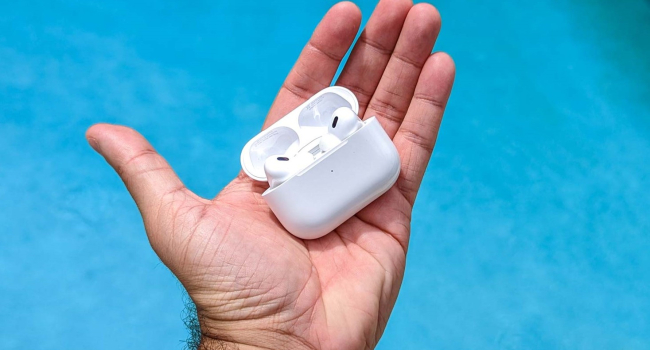
At the upcoming WWDC 2025 conference, which kicks off on June 9, Apple is expected to unveil new features for its AirPods. According to 9to5Mac, the company is working on five key improvements that will make the AirPods Pro 2 and AirPods 4 even more functional: camera control, auto-pause when falling asleep, new head gestures, a studio microphone mode, and improved pairing with iPads. These updates are likely to arrive with iOS 26 and will not require new hardware. Here's what’s known and how it may change the user experience.
New AirPods Features
- Camera Control:
- Users will be able to take photos or videos on their iPhone or iPad by pressing the AirPods stem. This is similar to the wired EarPods feature where the volume button acted as a shutter.
- The feature is convenient for selfies, group photos, or vlogging, especially for those filming without a tripod. However, as 9to5Mac notes, touching your ear for every photo may look strange, and it’s unclear if the feature will work while holding the AirPod.
- The control is expected to be triggered by a double tap or stem squeeze, as with other commands.
- Auto-Pause When Falling Asleep (Sleep Detection):
- AirPods will be able to detect when the user is falling asleep and automatically pause playback. This solves the problem of battery drain and missed moments in podcasts or playlists.
- It’s unclear whether the feature will work independently or require integration with Apple Watch, which already tracks sleep using an accelerometer and heart rate sensor. If AirPods gain built-in sensors (e.g. improved accelerometers), it would be a significant step forward.
- The feature will replace third-party sleep timers, which aren't always reliable.
- Expanded Head Gestures:
- In 2024, AirPods Pro 2 and AirPods 4 received head gestures for answering calls or dismissing notifications (nodding for “yes,” shaking for “no”). Now Apple plans to expand that functionality.
- A new gesture will allow users to exit Conversation Awareness mode (automatic volume reduction during conversation) without touching the earbuds. For example, a nod or head tilt could return the noise-cancellation settings to normal.
- This makes controls more intuitive, especially when your hands are busy.
- Studio Microphone Mode (Audio Mix):
- AirPods will receive a “studio-quality” microphone mode, based on the Audio Mix technology introduced with iPhone 16. It uses machine learning to separate speech from background noise and offers three modes: In-frame, Studio, and Cinematic.
- This feature makes AirPods a viable alternative to wired microphones for recording podcasts, videos, or calls, appealing to content creators and vloggers.
- Voice clarity is expected to improve, which is especially important in noisy environments.
- Improved iPad Pairing:
- Apple is working on simplifying AirPods pairing with shared iPads used in classrooms or offices. The new system will reduce manual Bluetooth settings, making the process fast and intuitive.
- This is particularly useful in educational institutions, where multiple students use the same device. For example, AirPods may automatically recognize users or switch between several headphone pairs.
When to Expect and Which Models Are Supported
- Announcement: The new features will likely be introduced during Apple’s keynote at WWDC 2025 on June 9 at 10:00 a.m. PT (9:00 p.m. Moscow time). The event will be streamed on Apple’s website, YouTube, and the Apple TV app.
- Release: Updates will arrive with iOS 26 and macOS 26 as a firmware update for AirPods, expected in September 2025. Beta versions may be available immediately after WWDC.
- Compatibility: According to 9to5Mac, features will be available on AirPods Pro 2 and AirPods 4. It’s unclear whether AirPods Max or older models will support them, as some features (e.g., new gestures) require modern H2 chips. The Audio Mix mode and iPad pairing improvements are likely to work on most current models.
Technical Details and Limitations
- Sleep Detection: If dependent on Apple Watch, the feature will be limited to users with Series 8 or newer, or Ultra/Ultra 2 models. Autonomous sleep detection would require new sensors in AirPods, which is unlikely without hardware updates.
- Camera Control: Settings may include a timer (2–3 seconds) so the user can move their hand away from their ear before the shot. Support for a single AirPod in-hand is still uncertain.
- Audio Mix: Requires H2 chip processing power to handle real-time audio, excluding 1st and 3rd generation AirPods.
- Risks: As 9to5Mac notes, Apple may delay some features or limit them to beta testing if stability is not achieved. Ongoing issues with iOS 18 (bugs, delays) make users more cautious of big promises.
Why It Matters
These updates highlight Apple’s push to make AirPods a multifunctional device, beyond just headphones:
- Ecosystem: Integration with iPhone, iPad, and WatchOS strengthens the bond between Apple devices, making AirPods indispensable.
- Content Creators: Studio mic mode and camera control simplify content creation, competing with products like Sony WF-1000XM5 or Samsung Galaxy Buds 3 Pro.
- Convenience: Gestures and auto-pause solve real-world issues like battery drain or inconvenient controls during conversations.
- Education: Simplified iPad pairing reinforces Apple’s position in the education sector, where iPads are dominant.