make preferable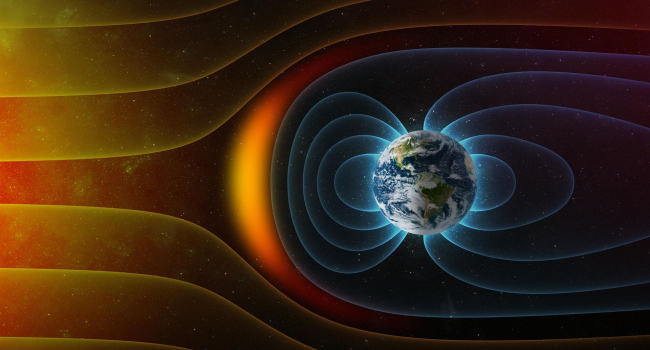
On May 29, 2025, a powerful G3-level geomagnetic storm began affecting Earth, according to the Solar Astronomy Laboratory at the Space Research Institute of the Russian Academy of Sciences (IKI RAS). The storm peaked in intensity between 3:00 and 6:00 AM Moscow time, said laboratory head Sergey Bogachev in an interview with RIA Novosti. The disturbance was triggered by a sharp spike in solar activity linked to new coronal holes on the Sun.
Causes and Characteristics
The storm was caused by a sudden surge in solar wind speed, exceeding 650 km/s, and plasma temperatures reaching 1 million degrees Celsius. According to the Fobos Weather Center, the event began at 5:16 AM Moscow time, when Earth’s magnetic field reacted to the abnormal solar wind parameters.
The geomagnetic Kp index hit 7, classifying the storm as G3 (strong) on the NOAA scale (where G1 is minor and G5 is extreme). By 8:00 AM, conditions had stabilized to weak disturbances (Kp around 3), but recurrent spikes remain possible throughout the day.
Solar Activity Behind the Storm
This geomagnetic event stems from heightened solar activity, which scientists had already warned about on May 28. The culprits are new coronal holes—areas of reduced plasma density on the Sun’s surface that emit high-speed solar wind streams. This incident comes amid the peak of Solar Cycle 25, which increases the frequency of such events. For context, a powerful X8.7 solar flare was recorded on May 25, but it did not produce a coronal mass ejection (CME) directed at Earth.
Potential Impacts
A G3-level storm can affect both technology and human health:
- Technology:
Disruptions are possible in satellite navigation (GPS), high-frequency radio communication, and power grids, including false alarms from protection systems or transformer overheating. - Health:
Weather-sensitive individuals may experience headaches, blood pressure fluctuations, insomnia, or fatigue. About 70% of hypertensive crises and heart attacks reportedly occur during geomagnetic storms.
Residents of Moscow (coordinates: 55.75 N, 37.62 E, UTC+03) and other mid-latitude regions are advised to monitor their well-being, especially those with cardiovascular conditions.
Forecast for the Coming Days
According to the Solar Astronomy Laboratory, elevated solar activity is expected to continue through May 31, with a chance of additional storms:
- May 30: A minor to moderate disturbance is expected (Kp = 4).
- May 31: Conditions should stabilize, with the Kp index dropping to around 2.
Bogachev noted that accurate predictions remain difficult, as solar activity can change rapidly. Real-time monitoring remains essential.
Recommendations
To minimize potential effects, weather-sensitive individuals are advised to:
- Avoid strenuous activity and stress from May 29–30.
- Stay hydrated and avoid caffeine or alcohol.
- Monitor blood pressure and consult a doctor if needed.
Satellite, energy, and radio communication operators are encouraged to check systems for geomagnetic resilience.
In Summary
The G3 geomagnetic storm that began on May 29, 2025, highlights the active phase of the current solar cycle and its impact on Earth. While the initial peak has passed, the risk of further disruptions remains. People in mid-latitudes, including Moscow, should remain cautious about health and technology, as scientists continue monitoring for potential hazards.