make preferable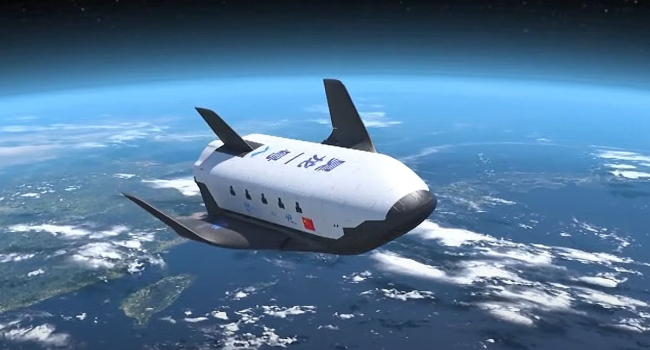
China has unveiled a design for the Haolong-1 reusable cargo spacecraft, which is designed to deliver cargo to the Tiangong space station. It is being developed by the Chengdu Institute of Aircraft Design and Research of the Aviation Industry Corporation of China.
It is one of two projects that won a competition announced by the China Space Agency for the development of low-cost cargo spacecraft.
China currently uses the Tianzhou spacecraft to deliver cargo to the Tiangong space station. However, the agency plans to look for more cost-effective options for this. In addition, China wants to return cargo from the space station to Earth, and the Tianzhou burns up when it re-enters the Earth's atmosphere.
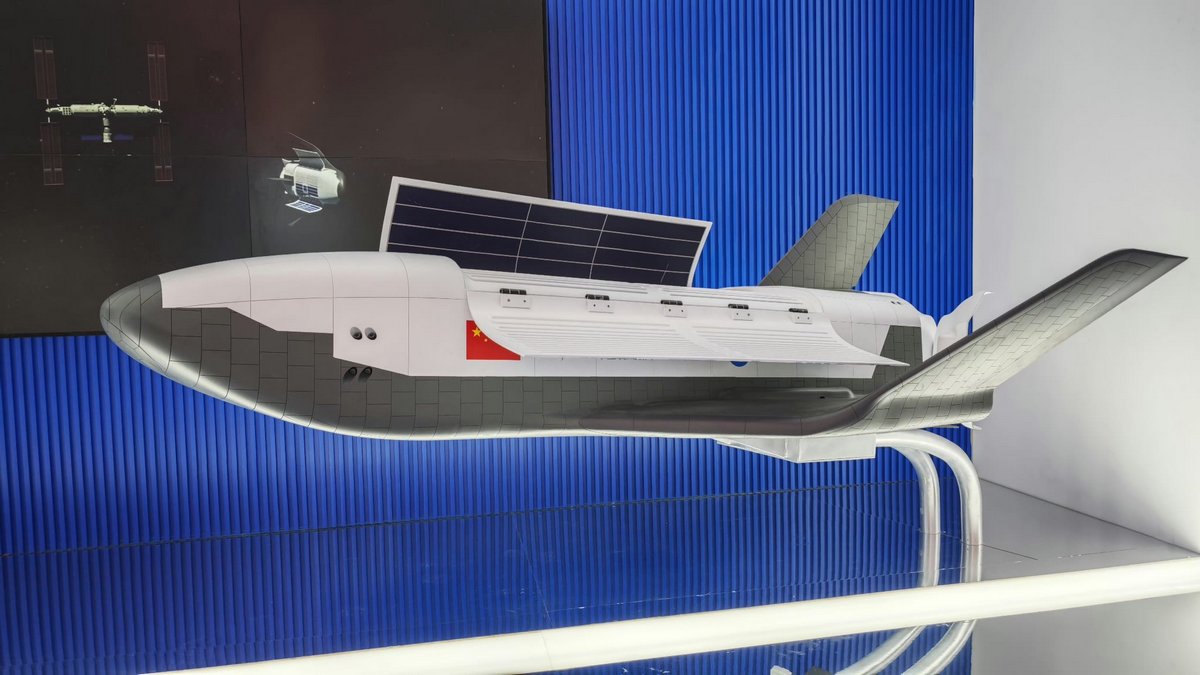
Haolong-1 will be launched into space using a launch vehicle. After delivering its payload, it will separate from Tiangong, leave orbit, re-enter the atmosphere and land on an airport runway. The space shuttle is 10 meters long and 8 meters wide. Haolong-1 weighs less than half the weight of Tiangong, which weighs no more than 14 tons.
Currently, Haolong-1 is in the engineering flight test phase: the shuttle's structure and systems are being tested before construction. The outer structure combines the characteristics of a spacecraft and an airplane, which allows the shuttle to reach space on a rocket and then land on an airport runway like an airplane, said Fang Yuanpeng, chief designer of Haolong.

After landing, inspection, maintenance and repair, the shuttle can be used again to carry payloads into space.
China plans to operate the Tiangong station for at least 10 years and expand the station from three to six modules.