make preferable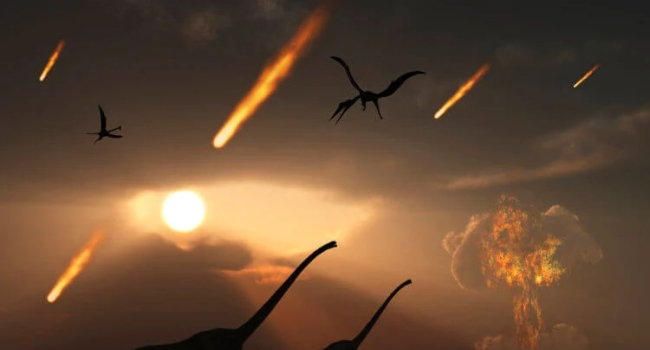
A new study by British scientists strengthens the theory that the extinction of the dinosaurs was associated not with one, but two asteroids. According to the Daily Mail, researchers from Heriot-Watt University have found evidence of a second giant celestial body that collided with Earth about 66 million years ago.
According to scientists, this asteroid was about 500 meters in diameter and fell near the current coast of Guinea in West Africa. This happened around the same time as the famous Chicxulub asteroid left its mark on history, destroying most of the life on Earth.
The first evidence of the second asteroid was found back in 2022, but new 3D seismic images obtained by scientists confirmed the presence of a giant funnel about nine kilometers deep below the surface. This data finally strengthened the hypothesis of a second impact. Dr. Wisdean Nicholson, one of the lead researchers, explains that the asteroid was traveling at about 45,000 mph (72,000 km/h), hitting the Earth at an angle of between 20 and 40 degrees. This space body dealt a serious blow to the planet's surface, likely adding to the destructive effects of the first asteroid.
These discoveries add a new chapter to the study of the history of the mass extinction that dramatically changed the ecosystem of our planet.