make preferable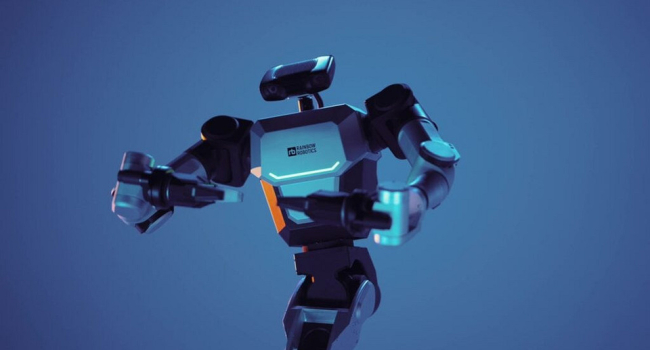
Samsung Electronics has announced the most ambitious transformation of its manufacturing operations in decades: by 2030, all of the company’s global factories are expected to be fully managed by artificial intelligence. This is not just another wave of conveyor automation — it is about creating autonomous systems capable of independently analyzing processes, making decisions, and optimizing operations without constant human oversight.
From Simple Robots to Agentic AI
Samsung factories already use three types of industrial robots: operator robots (managing production lines), logistics robots (moving materials), and assembly robots (performing precise operations). But this is only the baseline. The company is now focusing on so-called agentic AI — systems that do not follow rigid scripts but instead plan actions independently to achieve defined goals.
Samsung has already applied a similar approach in consumer electronics: in the Galaxy S26 series, AI agents can anticipate user actions and optimize device performance. Now, the same logic is being transferred to manufacturing: AI will monitor quality, redistribute resources, predict equipment failures, and even adjust production line settings autonomously.
Humanoid Robots as the Next Stage
A key part of Samsung’s strategy involves humanoid robots. The company has significantly increased its stake in Rainbow Robotics, one of the leading developers of anthropomorphic systems. Its flagship model, RB-Y1 — a wheeled humanoid robot with two manipulators — is already being tested at factories. These robots are capable of performing complex tasks that require coordination, adaptation to non-standard situations, and interaction with humans.
Unlike traditional industrial manipulators, humanoid robots can operate in existing workshops without a complete infrastructure overhaul. This is particularly important for factories whose production lines were assembled decades ago.
Why Now — and Why Samsung
Manufacturing smartphones, televisions, chips, and home appliances increasingly requires flexibility: rapid transitions to new models, order customization, and minimized downtime. Agentic AI and humanoid robots make this possible without proportional workforce expansion.
In addition, Samsung aims to reduce long-term costs and become less dependent on human factors. Amid shortages of qualified personnel in some regions and rising wages in South Korea, this represents a strategically important move.
Risks and Timeline
So far, Samsung has announced a roadmap and strategy. Full integration of autonomous systems across all factories by 2030 is an extremely ambitious target. Success will depend on how quickly AI can reliably handle unexpected situations and how safely humanoid robots can be integrated into existing processes.
If Samsung succeeds, this could become one of the largest-scale examples of industry transitioning to fully AI-driven autonomous management.
In Brief
Samsung plans to shift all of its factories to AI-based management by 2030 — moving from conventional industrial robots to fully autonomous agentic systems and humanoid robots (notably the RB-Y1 from Rainbow Robotics). The company has already applied similar AI-agent principles in the Galaxy S26 smartphone series and is now scaling the concept to manufacturing. The goal is maximum flexibility, cost reduction, and reduced reliance on human labor. For now, it remains a roadmap — but the ambitions are significant.