make preferable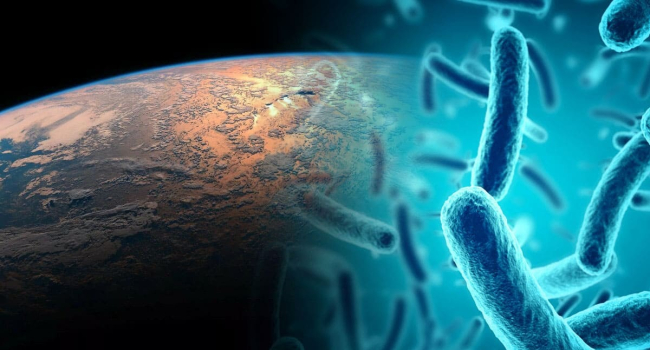
Australian scientists have, for the first time, proven that bacteria essential to human health can withstand the extreme conditions of rocket launch and microgravity. This discovery, published in the journal npj Microgravity, is crucial for preparing manned missions to Mars, where maintaining the human microbiome will be a critical factor for survival.
Experiment with Bacillus subtilis
Researchers studied spores of the bacterium Bacillus subtilis, which plays an important role in supporting immunity, gut health, and normal blood circulation. The samples were placed in miniature capsules and sent on a suborbital flight reaching an altitude of about 260 kilometers using a research rocket developed in collaboration with the company ResearchSat.
During the experiment, the bacteria were exposed to significant g-forces during launch and spent more than six minutes in microgravity. The results showed that the spores fully retained their viability and ability to grow, without sustaining structural damage.
Significance for Space and Earth
Associate Professor Gail Iles, co-author of the study, emphasized that understanding the resilience of microorganisms to space conditions brings scientists closer to answering the question of whether life can exist beyond Earth. The discovery is important not only for space medicine but also for terrestrial technologies. Scientists believe the data obtained will help develop new methods for combating antibiotic-resistant bacteria and for using microorganisms in extreme environments on Earth.
Prospects for Future Missions
The study’s results confirm that bacteria essential for human health can withstand the stressful factors of spaceflight. This opens new possibilities for maintaining astronaut health during long-duration missions, such as flights to Mars, and contributes to the advancement of biotechnology both in space and on Earth.