make preferable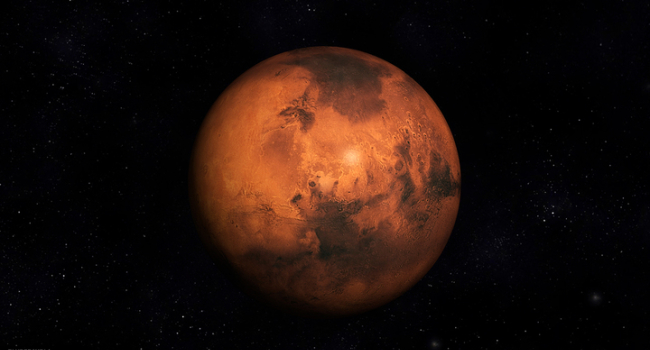
NASA researchers have proposed a new hypothesis that could explain how precursor cell-like structures—a key step toward the origin of life—might form on Titan, Saturn’s largest moon. According to a study published in the International Journal of Astrobiology (IJA), bubble-like vesicles resembling primitive cell membranes could form spontaneously in Titan’s hydrocarbon lakes. This discovery sheds light on the possibility of life emerging in environments vastly different from Earth.
Titan’s Unique Environment
Unlike Earth, where water is the foundation of life, Titan’s surface is covered in lakes and rivers of liquid hydrocarbons, primarily methane and ethane. Surface temperatures average around -180°C, making Titan an extremely cold and hostile world by Earth standards. However, scientists believe that chemical processes similar to those that sparked life on Earth billions of years ago might also occur in these extreme conditions.
Vesicle Formation: A Key to Life?
On Earth, pre-cellular structures, or vesicles, form from amphiphilic molecules—compounds with both water-loving (hydrophilic) and water-fearing (hydrophobic) parts. These molecules naturally self-assemble into spherical shells that enclose and isolate internal contents, similar to cell membranes.
On Titan, where water is absent and hydrocarbons dominate, NASA scientists have proposed an alternative scenario. When methane raindrops splash into hydrocarbon lakes, the resulting droplets might become coated with hydrocarbon-compatible amphiphilic molecules. As these splash droplets fall back into the lake, their coatings could fuse together, forming closed vesicles with enclosed interiors. While these structures are not cells, they could represent a critical first step toward more complex systems capable of evolution.
The Significance of the Discovery
According to Conor Nixon of NASA’s Goddard Space Flight Center, the potential formation of vesicles on Titan doesn’t prove the presence of life, but it demonstrates the potential for the development of ordered, complex structures. These could act as precursors to biological systems by creating stable micro-environments where key chemical reactions might occur—reactions necessary for the emergence of life.
Outlook for Future Research
This finding highlights Titan’s unique role in the search for life’s origins. Unlike other bodies in the Solar System—such as Mars or Europa—where the focus is on water-based life, Titan offers a radically different chemistry, centered around hydrocarbons. Upcoming missions like NASA’s Dragonfly, scheduled for launch in 2028, aim to analyze Titan’s surface composition and test the vesicle formation hypothesis.
Conclusion
NASA’s research opens a new chapter in our understanding of how life might emerge in alien environments. The possible formation of vesicles in Titan’s hydrocarbon-rich environment suggests that life may not be limited to Earth-like conditions. These structures could be the precursors to complex chemistry and biology, offering a glimpse into alternative pathways for life’s origins in the cosmos. Titan thus stands as one of the most intriguing candidates for future astrobiological exploration.