





 make preferable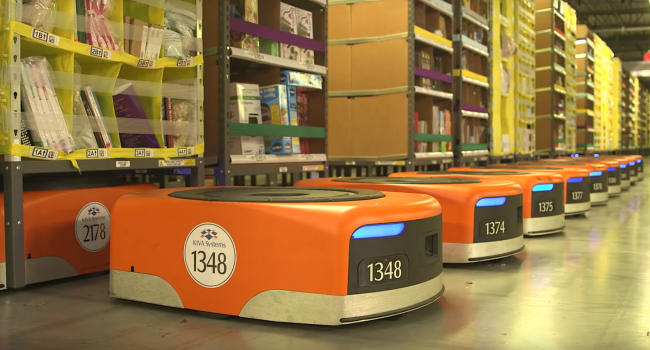
The world’s largest online retailer, Amazon, is approaching a historic milestone: the number of robots in its warehouses and fulfillment centers is soon expected to match its human workforce. According to an article published by The Wall Street Journal on June 30, 2025, automation is not only increasing the company's productivity but also reducing costs, helping Amazon maintain its market dominance. Here’s how robots are transforming Amazon’s operations and the technologies driving this shift.
One Million Robots and Their Roles
According to The Wall Street Journal, Amazon has already deployed more than one million robots—nearly the same as its total number of employees. These machines are optimized for a variety of tasks, from transporting goods to sorting packages, which reduces the physical workload on employees and speeds up order processing. Automation has become a key driver of productivity growth, especially with the rising demand for fast delivery.
Amazon employs several types of robots, each designed for specific tasks:
- Hercules: Based on technology from Kiva Systems (acquired by Amazon in 2012), these robots transport heavy product bins to workstations, reducing the need for workers to move around the warehouse.
- Pegasus: Built on the Hercules platform, these robots are equipped with mini-conveyors for sorting packaged goods by ZIP codes or delivery routes, increasing the speed and accuracy of order processing.
- Xanthus (X-bot): Modular robots with a flexible design that can handle a range of tasks, including sorting, transporting, and operating in high-density warehouse environments. Their sensors enable safe interaction with humans and other machines.
These technologies allow Amazon to process millions of orders daily while minimizing errors and speeding up logistics. For example, Hercules robots reduce delivery time to workstations by 20–30%, while Pegasus boosts package sorting speed by 15%, according to internal company data.
Why Amazon Is Betting on Robots
Amazon’s warehouse automation began over a decade ago with the acquisition of Kiva Systems. Since then, the company has invested billions of dollars into robotics. The main reasons for this transition include:
- Increased efficiency: Robots work 24/7 without breaks, enabling more orders to be processed in less time.
- Cost reduction: Automation lowers labor costs and reduces the risk of employee injuries from physically demanding tasks.
- Competitive edge: Fast delivery is a key factor in Amazon’s success, and robots help the company meet promises like same-day shipping.
Analysts estimate that deploying one million robots has saved Amazon up to $2 billion annually by optimizing logistics and reducing errors. Users on X (formerly Twitter) note that warehouse automation gives Amazon a commanding lead over competitors like Walmart and Alibaba—though it also raises concerns about job losses.
Context: Automation and the Labor Market
The rise of robots at Amazon mirrors a global trend toward automation. According to the International Federation of Robotics (IFR), in 2024, global industrial robot density reached 159 units per 10,000 workers, with logistics seeing the fastest growth. With its million robots, Amazon far exceeds the industry average, where large companies typically employ around 100,000 robots.
However, automation is not without controversy. Labor unions like UNI Global Union warn that robots may lead to job losses, especially among low-skilled workers. Amazon argues that automation creates new roles—such as robotics operators and engineers—but these are fewer than traditional warehouse positions. As of 2024, Amazon reported 1.5 million employees worldwide, but the rise of robots could slow hiring in the future.
Challenges and Obstacles
Despite its successes, automation faces several hurdles:
- High implementation costs: Developing and maintaining robots like Xanthus requires substantial investment. For example, one Pegasus robot is estimated to cost around $50,000, according to Bloomberg.
- Technical limitations: Robots still can't fully replace humans in tasks requiring fine motor skills, such as packing fragile items.
- Ethical concerns: Automation intensifies debates about balancing technological progress with employment. In 2025, labor unions in Europe plan new protests over warehouse job cuts at Amazon.
Looking Ahead: The Future of Amazon Warehouses
Amazon is continuing to expand its robotic workforce. The company plans to deploy humanoid robots like Digit from Agility Robotics, capable of handling more complex tasks such as picking and assembling orders. According to internal documents leaked to The Wall Street Journal, Amazon forecasts that robots will make up 60–70% of its warehouse workforce by 2030. This could reduce delivery times to just 2–3 hours in major cities.
Additionally, Amazon is testing delivery drones (through the Prime Air project) and autonomous carts for internal warehouse transportation. These innovations will likely solidify Amazon’s leadership position, but they will also require new safety standards and regulatory frameworks.