make preferable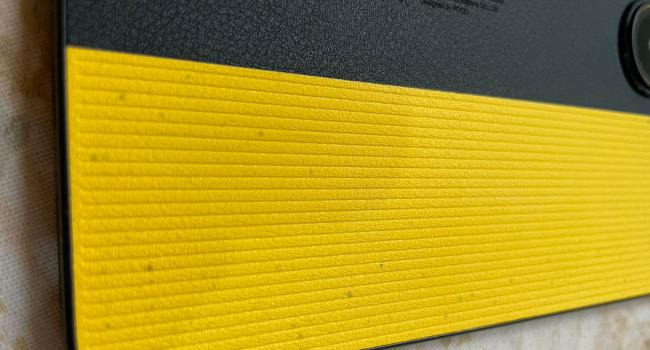
A Xiaomi Poco X7 Pro user with the yellow version of the device reported an unexpected issue: just a week after purchase, dark spots appeared on the back panel, which the user suspects to be mold. While lab tests haven’t yet confirmed the exact nature of the stains, the case sparked widespread discussion and raised concerns about the safety and practicality of materials used in modern smartphones.
Eco-Leather: Stylish but Vulnerable
Unlike other color variants of the Poco X7 Pro, the yellow version features a back panel made of eco-leather — a synthetic material designed to resemble real leather. Frequently used in smartphones to provide a premium look and feel, eco-leather is made of a polyurethane coating on a fabric base, making it porous and prone to absorbing moisture, dust, and organic contaminants. In humid environments or upon contact with sweat, food, or other organic matter, this surface can become a breeding ground for microorganisms, including mold.
Mold is a type of microscopic fungus that thrives in moist conditions at temperatures between 20–30 °C and in the presence of organic material. Mold can develop on eco-leather due to:
- Its porous structure, which retains moisture.
- Organic contaminants like skin oils or food residue.
- Poor ventilation, such as storing the phone in a tight case or pocket.
In contrast, other smartphone materials are less susceptible to microbial contamination:
- Glass: Smooth and nonporous (e.g., Gorilla Glass), it resists moisture retention and is easy to clean, though it can scratch or crack.
- Metal: Aluminum and steel bodies resist microbial growth as they do not absorb moisture or provide nutrients for fungi.
- Plastic: Smooth plastic surfaces resist mold, though textured plastic can trap dirt and increase risk.
- Ceramic: Rare in smartphones, but extremely resistant to moisture and microbial growth due to its dense structure.
While eco-leather is attractive and tactile, it requires special care. Without regular cleaning and protection from moisture, it can become a source of microbiological issues, as seen in this Poco X7 Pro case.
Incident Details
The user reported that the spots appeared seven days after purchase. It’s likely the phone was exposed to moisture — possibly stored in a bathroom, used with wet hands, or kept in a humid environment. Although lab confirmation is pending, the appearance and context suggest microbial contamination.
Released in January 2025, the Poco X7 Pro is a mid-range smartphone with a powerful MediaTek Dimensity 8400 Ultra processor, a 6.67-inch AMOLED display (2712×1220), and dual cameras (50 MP main + 8 MP ultra-wide). The yellow eco-leather version, including a special Iron Man Edition, stands out with its dual-tone design and texture, but this material appears vulnerable to environmental factors.
The phone is rated IP68 for dust and water resistance, meaning it can withstand submersion up to 1.5 meters for 30 minutes. However, this protection applies to internal components, not the exterior finish like eco-leather, which remains exposed.
Why Mold on a Smartphone Is a Problem
Mold is more than an aesthetic issue — it can pose real threats:
- Health risks: Some molds (e.g., Aspergillus, Penicillium) may trigger allergies, skin irritation, or respiratory problems.
- Odor: Mold often causes a musty smell that’s difficult to eliminate.
- Material degradation: Fungi can break down eco-leather, leading to peeling and wear, as shown in studies on leather-like coatings on electronics.
Smartphones in general are microbial hotspots. A study from the University of Surrey found that phone surfaces can harbor more bacteria than a toilet seat, including harmful strains like Staphylococcus aureus. The porous nature of eco-leather worsens this by trapping microbes in hard-to-clean crevices.
How to Protect Your Smartphone from Mold and Germs
To prevent such issues, especially with eco-leather devices, follow these tips:
- Clean your phone regularly:
- Use antibacterial wipes made for electronics or a lint-free cloth dampened with 70% isopropyl alcohol.
- Avoid over-wetting to prevent surface damage.
- Wipe down your device at least once a week, especially in humid conditions.
- Avoid contact with moisture:
- Don’t store your phone in bathrooms, kitchens, or other humid places.
- Use a case to protect eco-leather from sweat and splashes.
- If your phone gets wet, dry it immediately.
- Use a protective case:
- Silicone or plastic cases can shield the eco-leather from exposure. Choose cases with ventilation to prevent moisture buildup.
- Control storage conditions:
- Store your phone in a dry, cool place, away from heat and direct sunlight.
- Avoid tight pockets where body moisture may accumulate.
- Inspect the surface:
- Regularly check the eco-leather for stains, wear, or changes in texture. If you notice any, contact a service center.
What to Do If Mold Has Appeared
If dark spots that look like mold have appeared on your phone:
- Isolate the device: Place it in a sealed bag to prevent the spread of spores.
- Clean the surface:
- Use 70% isopropyl alcohol or an antimicrobial cleaner designed for electronics.
- Do not use water or household detergents, which may damage the surface.
- Contact a service center: If the stains persist, consult the manufacturer or an authorized repair center for inspection or possible panel replacement.
- Monitor your health: If you touched the moldy areas, watch for signs of allergic reaction and consult a doctor if needed.
In Short…
The appearance of suspected mold on the Xiaomi Poco X7 Pro’s eco-leather back panel has raised concerns about the material’s susceptibility to moisture and microbial growth. While visually appealing, eco-leather demands careful maintenance. Regular cleaning, proper storage, and protective cases can help prevent such problems. Smartphone makers should also consider durability when selecting materials and inform customers about proper care to avoid similar incidents in the future.