make preferable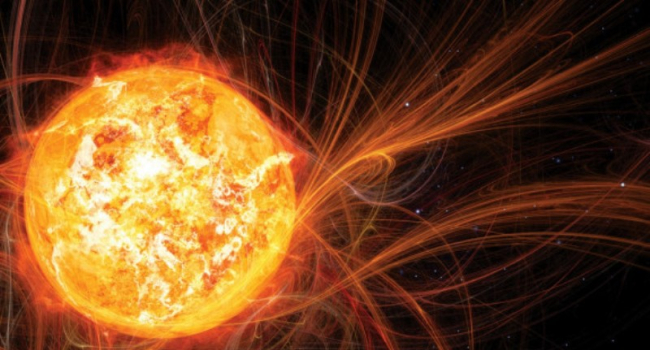
Scientists from the Laboratory of Solar Astronomy and Heliophysical Instrumentation at the Space Research Institute (IKI RAS) and the Institute of Solar-Terrestrial Physics (Siberian Branch of RAS) have issued a warning about upcoming magnetic storms caused by solar flares. According to their forecast, Earth will begin to experience geomagnetic disturbances starting May 28, 2025, which could affect sensitive individuals and high-precision electronic systems.
What to Expect on May 28
Researchers report that solar wind speeds will begin to rise on May 28, reaching around 600 km/s. Although this is considered moderate, past forecasts have shown that real speeds can exceed 700–800 km/s, leading to significant magnetic storms. Even with current estimates, a Kp index of around 5 is expected, indicating a moderate storm.
For Moscow (coordinates 55.75 N, 37.62 E, UTC+03), the Kp index could reach 5 by late afternoon on May 28, as confirmed by the Laboratory of Solar Astronomy.
Forecast for May 29–31
The geomagnetic environment will remain unstable in the days that follow:
- May 29: The peak of the storm is expected, with Kp index again reaching 5, classified as a moderate geomagnetic storm. Increased solar wind may lead to auroras in high-latitude regions.
- May 30: The storm will likely continue but gradually weaken to a Kp of 4 (orange alert level).
- May 31: Geomagnetic activity is expected to return to quiet levels, with a Kp of 2.
However, scientists caution that long-term forecasts can change rapidly due to the unpredictable nature of solar activity. A sudden coronal hole or a strong X-class flare—like the X8.7 flare recorded on May 25—could significantly alter conditions.
Impact on People and Technology
Magnetic storms caused by solar flares and coronal mass ejections (CMEs) can affect both human health and technology:
- Health: Meteorosensitive individuals, especially those with heart conditions, hypertension, or neurological disorders, may experience headaches, blood pressure fluctuations, insomnia, or fatigue. Around 70% of hypertensive crises and heart attacks occur during magnetic storms.
- Technology: Geomagnetic disturbances can disrupt satellites, GPS, radio communication, and power grids. Operators of precision instruments should prepare for potential disruptions from May 28 to 30.
Doctors advise sensitive individuals to maintain a regular routine, reduce caffeine, avoid stress, and ensure adequate sleep to mitigate effects.
Why Do Magnetic Storms Occur?
Magnetic storms happen when enhanced streams of solar wind—often caused by flares or CMEs—interact with Earth’s magnetic field. The influx of charged particles causes the magnetosphere to become “shaky.” In May 2025, the Sun is near the peak of its 25th solar cycle, which explains the frequency of flares and storms. For instance, the May 25 X-class flare fortunately did not produce an Earth-directed CME, reducing the threat.
Recommendations
Scientists urge the public to stay updated on solar forecasts, as space weather can change within hours. For meteorosensitive individuals:
- Check hourly geomagnetic activity forecasts, especially on May 28–29.
- Reduce physical and emotional stress 2–3 days before the expected peak.
- Consult a doctor if symptoms worsen, as weather sensitivity can indicate underlying health issues.
Satellite and energy grid operators are advised to remain on alert from May 28 to 30, when the geomagnetic environment is expected to be most unstable.