make preferable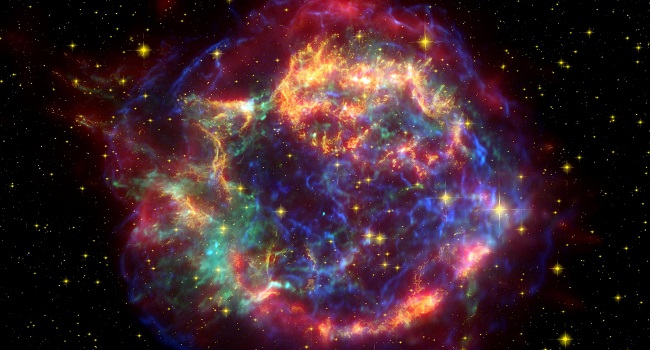
A new study by scientists from Germany and Spain, published in Monthly Notices of the Royal Astronomical Society (MNRAS), suggests that at least two mass extinctions on Earth may have been triggered by supernova explosions. These cosmic cataclysms, though distant, left a profound mark on our planet’s biosphere.
How Do Supernovas Affect Earth?
Supernovas rank among the universe’s most violent events. When a massive star reaches the end of its life and explodes, it unleashes a torrent of energy and radiation. If such an event occurs near Earth, the consequences could be dire:
- Ozone Layer Depletion: Increased ultraviolet radiation floods the surface.
- Acid Rain: Atmospheric chemistry shifts dramatically.
- Heavy Element Dispersal: Climate and ecosystems face disruption from scattered cosmic debris.
Which Extinctions Might Supernovas Have Caused?
The researchers zeroed in on two major extinction events:
- Ordovician Extinction (445 million years ago): Wiped out 60% of marine invertebrates.
- Late Devonian Extinction (372 million years ago): Eliminated 70% of all species, including significant fish populations.
Their calculations indicate these events align with potential supernova blasts near Earth. By analyzing the distribution of massive OB-type stars within 3,260 light-years of the Sun and estimating supernova frequency, the team found that explosions within 65 light-years of Earth correlate with these extinction periods, pointing to external cosmic triggers.
Could This Happen Again?
Scientists have identified two stars with supernova potential in the next million years:
- Antares
- Betelgeuse
Fortunately, both are over 500 light-years away. Computer models suggest this distance is too great to pose a significant threat to Earth. While supernovas may have played a deadly role in our planet’s past, experts believe the immediate future holds little risk of a repeat performance. For now, Earth seems safe from the wrath of nearby stellar explosions.