make preferable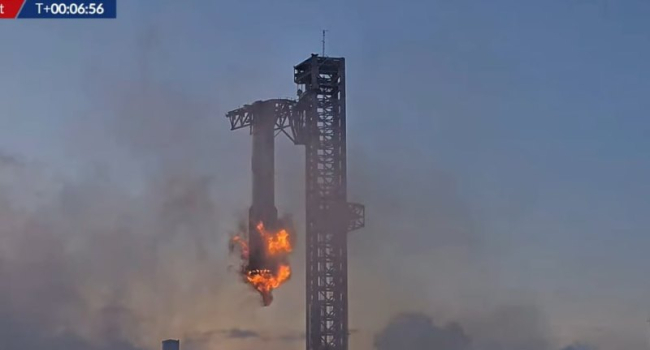
The SpaceX company performed a test launch of the Starship Super Heavy rocket yesterday. The superheavy booster (named Starship Flight 5) successfully detached from the Starship and completed engine activation. In addition, for the first time in history, the Starship Super Heavy rocket managed to land right on the launch pad (previously it fell into the ocean).
This was the fifth test flight of the Starship rocket, which together with the Super Heavy booster is the largest and most powerful rocket in the world. The main purpose of this flight was to launch the Starship and reenter the atmosphere, then land in the Indian Ocean. However, SpaceX also managed to return the Super Heavy's first stage to the launch pad using the Mechazilla tool.
Unlike landing in the ocean, the importance of landing on the launch pad itself is that it will significantly reduce the work and time to prepare the rocket for the next flight.
SpaceX said its engineers and technicians spent years preparing, landing the rocket on the launch pad and building the entire infrastructure to maximize the likelihood of success.
"We do not accept any compromises when it comes to ensuring the safety of the public and our personnel, and an attempt to return [the rocket-ed.] will be made only when the right conditions are met," SpaceX stated.
SpaceX's Starship and Super Heavy rockets are the tallest and most powerful rockets in the world. Standing about 122 meters tall, the first stage Super Heavy rocket is powered by 33 Raptor engines, with six more Raptor engines powering the Starship spacecraft.
This is not the first test flight of Starship. SpaceX's Starship first reached space on the June 6 test launch of Flight 4, but the Starship was damaged during re-entry into the atmosphere. The Super Heavy made a successful landing, splashing down in the Gulf of Mexico.