make preferable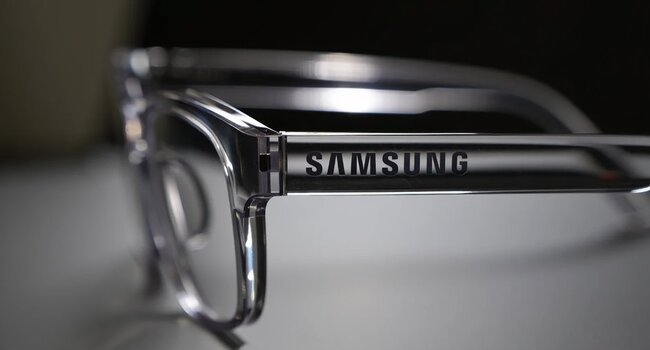
Samsung Electronics has confirmed plans to release AI-powered smart glasses and new wearable audio devices. This comes as the South Korean tech giant recorded record revenue and operating profit, driven by surging demand for AI memory chips.
A company executive stated that Samsung "plans to provide immersive multimodal AI experiences through diverse form factors, including AI glasses," as reported by Futunn. These words highlight Samsung's ambition to enter a niche currently dominated by Meta Platforms with its Ray-Ban smart glasses line.
The Shape of Galaxy Glasses Emerges
The upcoming Galaxy Glasses, codenamed "Jinju," are expected to run on Google’s Android XR operating system. They will reportedly feature a 12-megapixel Sony camera sensor, bone conduction speakers, a 155 mAh battery, and the Snapdragon AR1 chipset. For processing, the glasses will rely on a paired Galaxy smartphone, with Google Gemini serving as the primary AI assistant interface, according to Android Headlines and materials presented at MWC 2026.
Unlike the $1,799 Galaxy XR headset released by Samsung last year, the first-generation Galaxy Glasses will not feature a built-in display. The expected price ranges from $379 to $499, placing them in direct competition with the Meta Ray-Ban line. A more advanced model with a display, codenamed "Haean," may follow in 2027. Samsung and Google plan to officially unveil Galaxy Glasses at Google I/O in May, with a full launch expected at the summer Galaxy Unpacked event.
Galaxy Buds Able: A New Form Factor
Samsung is also developing the Galaxy Buds Able. These earphones feature an open-ear clip design, unlike any current Galaxy Buds models. According to reports, the Buds Able may utilize bone conduction technology, transmitting sound through vibrations in the cheekbone area rather than traditional audio drivers. This design allows users to keep their ear canals open to hear ambient sounds—ideal for running or cycling.
Record Profits Fuel Ambition
The product announcements come alongside impressive financial results. Samsung reported consolidated revenue of 133.9 trillion KRW and an operating profit of 57.2 trillion KRW—both absolute quarterly records, according to the company’s official press release. Operating profit surged by more than 750% year-on-year, with the semiconductor division accounting for over 90% of total profit, CNBC reports. Samsung’s chip business benefited from tightening memory supply and skyrocketing demand from AI data center operators, aided by its partnership to supply HBM4 memory chips to Nvidia.