make preferable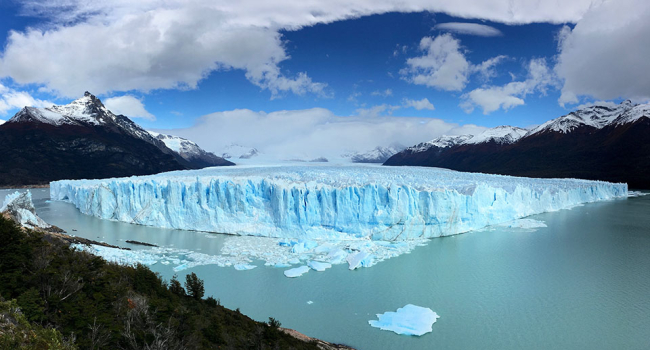
An international team of scientists from Australia, the United Kingdom, New Zealand, and other nations is sounding the alarm: the rapid melting of glaciers poses a grave threat to ecosystems worldwide. According to a study published in Nature Reviews Biodiversity on May 13, 2025, the planet is set to lose one-third of its glacier mass by 2050, triggering irreversible consequences for biodiversity, freshwater resources, and the global climate. Drawing on an analysis of 160 scientific studies, researchers have unveiled the scale of this crisis and its cascading effects. Here’s why glaciers are vital, what we stand to lose, and how their decline will reshape life on Earth.
Glaciers: A Barometer of Planetary Health
Glaciers, preserving ice that is thousands or even millions of years old, serve as a unique indicator of Earth’s condition. As Professor Sharon Robinson from the University of New Zealand noted, their rapid disappearance signals profound environmental shifts. Key findings from the study include:
- Scale of Loss: By 2050, approximately 30–35% of glacier mass will vanish due to global warming, even if greenhouse gas emissions are reduced. In a worst-case scenario—without climate action—only 10% of glaciers may remain by 2100.
- High-Risk Regions: Glaciers in the Himalayas, Alps, Patagonia, Antarctica, and Greenland are melting at an alarming rate. For instance, Antarctica’s Thwaites Glacier loses 50 billion tons of ice annually.
- Cause: A global temperature rise of 1.5–2°C above pre-industrial levels, driven by CO₂ and methane emissions, is accelerating the melt.
Far more than frozen water, glaciers are the foundation of ecosystems that sustain unique species, from microorganisms to large mammals like polar bears and mountain goats.
Cascading Ecological Consequences
The melting of glaciers sets off a chain reaction, dismantling ecosystems and threatening life across the planet. Scientists have identified several critical issues:
1. Threat to Biodiversity
Glacial ecosystems are home to thousands of specialized species that have evolved to thrive in extreme conditions:
- Microorganisms: Cryophilic bacteria and algae living in ice cavities are disappearing along with their habitats.
- Animals: Species reliant on glaciers, such as Weddell seals or Himalayan snow leopards, are losing their habitats and food sources.
- Species Replacement: Unique species are being replaced by more adaptable, often invasive ones, like grasses or insects, which reduces biodiversity. Estimates suggest up to 50% of glacial species could vanish by 2100.
“We’re witnessing entire ecosystems being erased, giving way to less diverse communities,” Robinson said.
2. Freshwater Crisis
Glaciers hold 75% of the world’s freshwater, supplying billions of people in Asia, South America, and Europe:
- Himalayas: They feed rivers like the Indus, Ganges, and Brahmaputra, sustaining 2 billion people.
- Andes: They provide water for agriculture in Peru and Bolivia.
- Problem: Rapid melting causes temporary flooding, but rivers will eventually dwindle, threatening water security. By 2050, up to 1.5 billion people could face water shortages.
3. Rising Sea Levels
Melting glaciers, particularly in Greenland and Antarctica, are driving up global sea levels:
- Projection: By 2050, sea levels are expected to rise by 15–30 cm, and by 2100, up to 1 meter in a baseline scenario.
- Impacts: Coastal cities like Miami, Dhaka, and Shanghai face flooding, while mangrove and coral reef ecosystems are destroyed, potentially displacing 200 million people.
4. Disruption of Ocean Currents
The influx of freshwater from glaciers alters ocean salinity, slowing currents like the Gulf Stream:
- Europe: A weakened Gulf Stream could cool Scandinavia and the UK by 2–5°C, despite global warming.
- Ecosystems: Marine species, such as plankton and fish, that depend on stable currents face extinction risks.
What Can Be Done?
Scientists are urging immediate action to slow glacier loss:
- Emission Cuts: Achieving carbon neutrality by 2050, as outlined in the 2015 Paris Agreement, could limit warming to 1.5°C, preserving up to 50% of glaciers.
- Ecosystem Protection: Establishing reserves in glacial regions, like those in Antarctica, and relocating vulnerable species.
- Monitoring: Using satellites and drones to track melting and develop adaptive strategies.
- Water Management: Building reservoirs and water recycling systems in glacier-dependent regions.
Individual actions, such as reducing carbon footprints through electric vehicles or energy efficiency, also matter. However, without global cooperation, the losses will be irreversible.
Looking Ahead
Researchers plan to:
- Refine projections using new data from NASA and ESA missions measuring ice mass.
- Study the impact of melting on deep-sea ecosystems, where salinity changes are already evident.
- Explore technologies for artificially refreezing glaciers, though their scalability remains uncertain.
By 2030, scientists expect initial reports on the Paris Agreement’s progress, revealing whether efforts to mitigate the crisis are succeeding.
In Summary
The loss of one-third of glacier mass by 2050 is not just a matter of disappearing ice—it’s the destruction of ecosystems, water resources, and climate stability. The Nature Reviews Biodiversity study underscores that without urgent action, the planet will lose unique species and face water shortages and mass migration. Glaciers are a mirror of Earth’s health, and their vanishing is a clarion call for action.