make preferable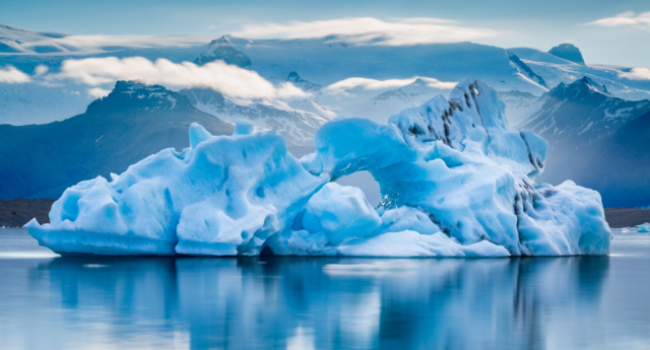
Dutch scientists from the University of Groningen and the Royal Netherlands Meteorological Institute have developed a method to pinpoint when climate changes in the Arctic will become irreversible. According to their study, published in the journal Scientific Reports (SciRep), the region will transition to a new climatic state by 2050, with changes affecting precipitation and ecosystems by the end of the 21st century. Here’s what this means, why sea ice is a key indicator, and how the discovery will shape the planet’s future.
Arctic in Transition: Tipping Point in 25 Years
By analyzing 14 modern climate models, the scientists found that the Arctic is nearing a “new normal” in two key areas:
- Temperature: By 2050, average temperatures will exceed the historical variability recorded over the past 1,000 years. Summers will become warmer, and winters less severe.
- Ice Cover: The thickness of sea ice in the central Arctic has already reached an irreversible minimum, establishing a “new normal.” This is driven by accelerated melting due to global warming.
By the end of the 21st century, precipitation patterns will also shift: rains will become more frequent, and snow cover will diminish, impacting tundra, wildlife, and Indigenous communities. “We’re witnessing the Arctic transition to an entirely new state,” says the study’s lead author. “These aren’t just anomalies; this is the region’s future.”
Sea Ice: The Primary Marker of Change
Sea ice emerged as the most sensitive indicator of climate shifts. Unlike temperature, which fluctuates due to natural cycles (e.g., El Niño), ice thickness shows a consistent decline:
- In the central Arctic, ice is already thinner than historical norms (since 1850).
- Average thickness has dropped from 4–5 meters in the 1980s to 1–2 meters in 2025.
- Summer ice cover could vanish entirely by 2035–2040, as models predict.
“Ice is like the Arctic’s pulse,” the scientists explain. “Its steady decline signals that the region has already passed a tipping point for this parameter.”
Why It Matters
The Arctic plays a critical role in global climate:
- Albedo: White ice reflects sunlight, cooling the planet. Dark water absorbs heat, accelerating warming.
- Ocean Currents: Melting ice affects the Gulf Stream, potentially altering climate in Europe and North America.
- Ecosystems: Shrinking ice threatens polar bears, seals, and seabirds, as well as fisheries.
- Geopolitics: New shipping routes (e.g., the Northern Sea Route) and access to resources (oil, gas) are intensifying competition among nations.
The study also has practical implications:
- Forecasting: The scientists’ method enables predictions of climate transitions in other regions, such as Antarctica or the Himalayas.
- Policy: The data will help countries adapt environmental strategies, such as reducing greenhouse gas emissions or protecting Arctic territories.
- Society: Arctic Indigenous communities, reliant on hunting and fishing, need support to adapt to new conditions.
Connections to Other Research
The discovery aligns with 2025 scientific trends:
- Climate: Just as studies of solifluction lobes on Mars revealed similarities with Arctic processes, Earth’s ice melt is tied to global cycles.
- Space: Analysis of meteorites and exoplanets like TOI-421 b highlights the role of water and ice in shaping worlds, making the Arctic a model for planetary science.
- Technology: The forecasting method resembles the SIFT algorithm for AI, filtering relevant data for precise conclusions.
What’s Next?
The scientists plan to:
- Expand models to include data on methane released from thawing permafrost, which accelerates warming.
- Integrate forecasts into global climate strategies, such as the Paris Agreement.
- Study other regions, like Greenland, where melting glaciers could raise sea levels by 7 meters by 2100.
Future satellites, such as the Copernicus Arctic Mission (set for launch in 2027), will provide more accurate data on ice cover and precipitation.
Conclusion
The Arctic is nearing a climate tipping point: by 2050, the region will change irreversibly, losing its familiar ice cover and stable climate. The Dutch scientists’ new method not only predicts these shifts but also offers tools for preparation. From ecosystems to geopolitics, the consequences will affect the entire planet.