




 make preferable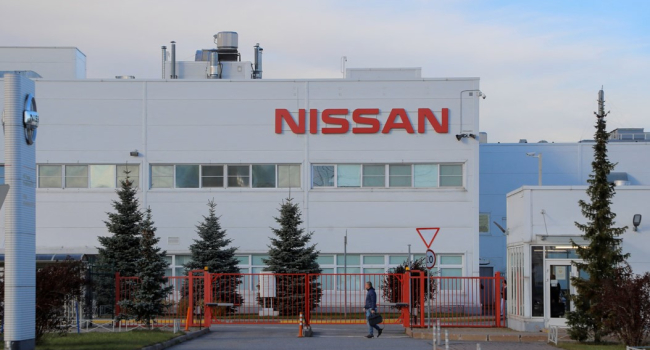
Amid the geopolitical events of recent years and the rapid growth of the Chinese automotive industry, many traditional automakers have found themselves in a crisis. Nissan Motor is among them and is now searching for a major investor to help it navigate this challenging period, especially as its long-time partner Renault prepares to sell its stake in the struggling Japanese automaker.
As Financial Times notes, in August of this year, Nissan and Honda announced a strategic partnership focused on vehicle development, production, and software. At that time, speculation about a deeper collaboration involving a share exchange was firmly denied, but more recently, both parties have become less categorical on the matter.
Two sources familiar with the negotiations reported that Nissan is now seeking a long-term and stable shareholder, such as a bank or insurance group, to replace Renault’s stake. Renault has decided to sell part of its holdings while Nissan works to finalize its new partnership with Honda. “We have 12 to 14 months to survive,” said a senior Nissan executive.
According to the sources, Nissan has not ruled out the possibility of Honda acquiring a portion of its shares. However, all options are being considered as the company implements restructuring measures in response to declining sales in both China and the United States. Additionally, individuals close to Renault revealed that the company is open to selling some of its Nissan shares to Honda as part of a restructuring of their 25-year alliance. A source close to Renault stated that strengthening ties between Nissan and Honda “can only be a positive” for the French group.
Until recently, Renault owned 43% of Nissan’s shares, while Nissan held only a 15% non-voting stake in Renault. A recent restructuring reduced Renault’s ownership (along with its related trust) to 35%. In return, Nissan retained its 15% stake in Renault and gained proportional voting rights. Furthermore, Renault can now vote with only 15% of its Nissan shares, creating a governance model perceived as more balanced.
At the same time, Nissan wholly owns 34% of the Japanese company Mitsubishi Motors but plans to reduce this stake to 24% to free up funds to sustain its operations. The collaboration between Nissan and Honda currently does not involve any capital ties, but this may change as Nissan seeks a long-term investor. Renault is not participating in the current talks but has expressed interest in collaborating with all three Japanese automakers. Such a partnership could help optimize costs related to developing and launching new models in the European market, where Japanese alliance members have a limited presence.
Mitsubishi, in turn, could offer significant value to its alliance partners with its hybrid powertrain technology and strong market position in Southeast Asia. Company representatives have indicated that they are open to exploring any collaboration opportunities with other automakers, provided these partnerships strengthen their business and deliver tangible benefits.