make preferable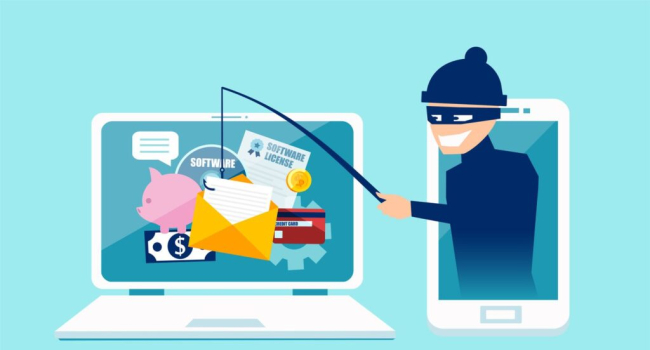
In the third quarter of 2024 (July-September), the most common fraud schemes in Russia were fake lotteries. The criminals, promising their victims expensive prizes, deceived them, extorted money and bank card information. Ilya Odintsov, head of the department for improving cyber literacy of users of the MTS RED company, told Gazeta.Ru about this.
According to the expert, the peak of fraudulent attacks on lotteries was in July-August. This threat remains relevant even today. Victims receive letters claiming to have won the lottery. The emails claim that the lottery is supported by celebrities or big brands. To claim a prize, you need to follow a link that leads to a fake lottery website and pay a commission there, which is a small amount compared to the amount you are supposed to win.
"In order to receive the prize money, you first need to transfer a small amount, sometimes allegedly to convert the money from foreign currency to rubles, sometimes for the lottery fee. As a result, the victim transfers money to the criminals and at the same time puts his bank card data at risk, leaving all its details in the fraudulent resource," Odintsov told Gazeta.Ru.
The arrest of Telegram founder Pavel Durov in France became the second most popular topic for fraudsters. According to the expert, attackers quickly took advantage of this event and started writing to Telegram users posing as employees of the messenger and offering to transfer personal data to a "secure resource".
To do this, you need to provide the "technical support worker" with the necessary information to access the account. After that, fraudsters get full control over the user account and all user data contained in it," he explained.
Telephone fraud, according to Odintsov, also remains relevant. Criminals are constantly inventing new schemes or upgrading old ones to make them more effective.
"One of the most popular variations of the topic now is a call from a mobile operator offering to connect to a new, better tariff or to extend the validity of a phone number that would otherwise be disconnected. There is no need to do anything. "The operator's employee will fill out the application himself, and the person only needs to say the confirmation code that he will receive via SMS," said the expert.
In fact, this code allows attackers to access the personal account of a user of mobile operator services. Once logged in, scammers tell the victim that their account has been hacked. Then the citizen, who has already been taken off balance, receives a call from the same fraudsters who are already posing as the Police, the Bank of Russia or the Federal Security Service of Russia.
"At this stage, cybercriminals claim that some people are trying to take loans on his behalf or withdraw money from his accounts. They then try to trick the victim in a fairly standard way, convincing them to transfer the money to a "secure account" to protect against theft. If a person agrees, he voluntarily transfers his savings to the criminals," explained Odintsov.
The expert added that the most vulnerable groups of citizens, especially the elderly, are often affected by the actions of criminals. Therefore, according to him, it is very important to tell the older members of the family about the current fraud schemes, particularly the methods used by telephone scammers.