make preferable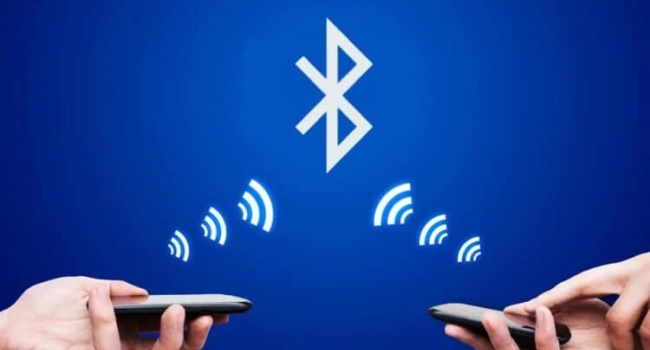
Almost any device can be hacked by hackers via Bluetooth, using a clone of the victim's trusted network, to which their gadget automatically connects. This is what leading cybersecurity analyst at MTS Web Services Jamil Medzhidov warns.
In an interview with RIA Novosti, the expert noted that attackers can hack a wide variety of devices via Bluetooth, including smartphones, tablets, and smart home elements. Using specialized software, hackers detect active Bluetooth connections nearby and can see which networks the user's device has previously connected to.
After detecting such connections, hackers can create a fake trusted network to which the device will automatically connect without notifying the user, the expert explained. Such an attack allows attackers to access data on the device, control it and its associated gadgets, and track the user's location.
Medzhidov noted that such hacks most often occur in public places, where hackers only need a laptop, an inexpensive Bluetooth adapter, and specialized software.
To protect against such threats, Medzhidov recommends turning off Bluetooth in public places and not using data transfer functions such as AirDrop when they are not needed. They should only be turned on when receiving information from a trusted source.
The expert also advises setting strong passwords and avoiding connecting to unknown devices. Regular software updates help close Bluetooth vulnerabilities. Bluetooth visibility settings should be limited so that the device is accessible only to those gadgets with which it has previously connected.
Note that there are currently several types of attacks via Bluetooth, including BlueJacking - sending spam from the victim's device to nearby gadgets, and BlueSnarfing - stealing personal data through a connection to the device.