make preferable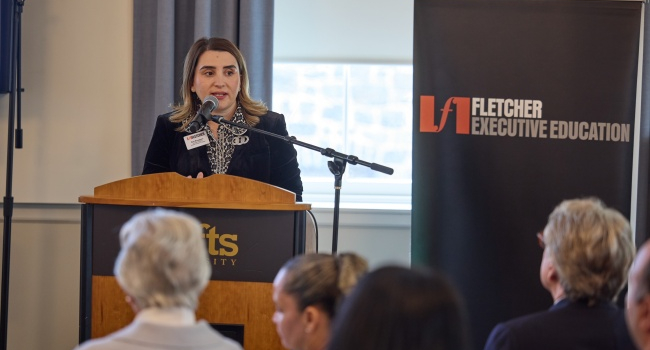
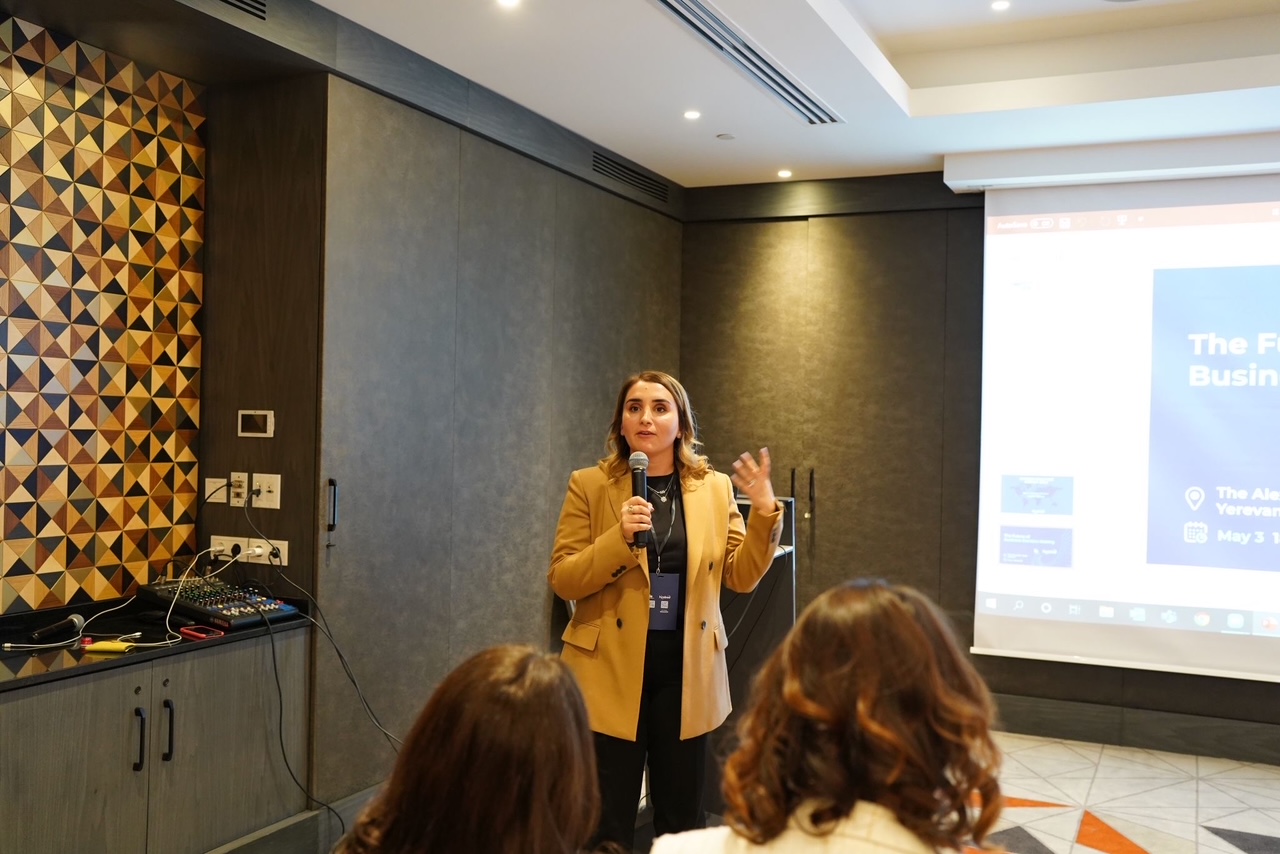
Artificial intelligence is transforming education today not only by changing teaching methods, but also by redefining the skills that future professionals will need. In the coming years, the most successful education systems will be those that prepare students not only for exams, but for the real demands of the labor market. This was stated by Sati Boyajyan, Associate Director of Business Development at The Fletcher School of Law and Diplomacy at Tufts University, in an interview with NEWS.am Tech, when asked about the main trends in international education in the coming years.
“The most visible trends are related to artificial intelligence, skills-based learning, and workforce readiness. Education is shifting from theoretical knowledge toward practical competencies — data analysis, digital literacy, and communication skills,” said Sati Boyajyan, who, prior to joining Tufts University, led IE University’s business development operations in 13 Eastern European countries, including Armenia.
We spoke with her about the opportunities and advantages of international education, including for Armenian students. According to the expert, it is entirely possible to find scholarships to study at good universities abroad, and there is no need to fear that young professionals will not return.
Details in the interview.
International education is often associated only with an expensive diploma. Based on your experience, what real value does it provide to a young professional?
The value of international education is not limited to knowledge alone. For me, it was a shift in mindset and an increase in self-confidence. I learned to work in a multicultural environment, adapt to uncertainty, and view challenges from different perspectives. In addition, international education creates an international network — connections that open doors. These relationships often become the foundation of one’s future career.
Many young people believe that studying abroad is financially inaccessible. How accurate is this perception today?
Today, opportunities are much broader than they seem. Scholarships can be obtained not only from Armenian foundations but also from international ones. Many universities have their own scholarship programs and offer partial or full tuition funding. In many countries, both public and private financing programs exist. It is important to understand that financial limitations are not always a closed door; often it is simply a matter of more thorough research and a more thoughtful application process.
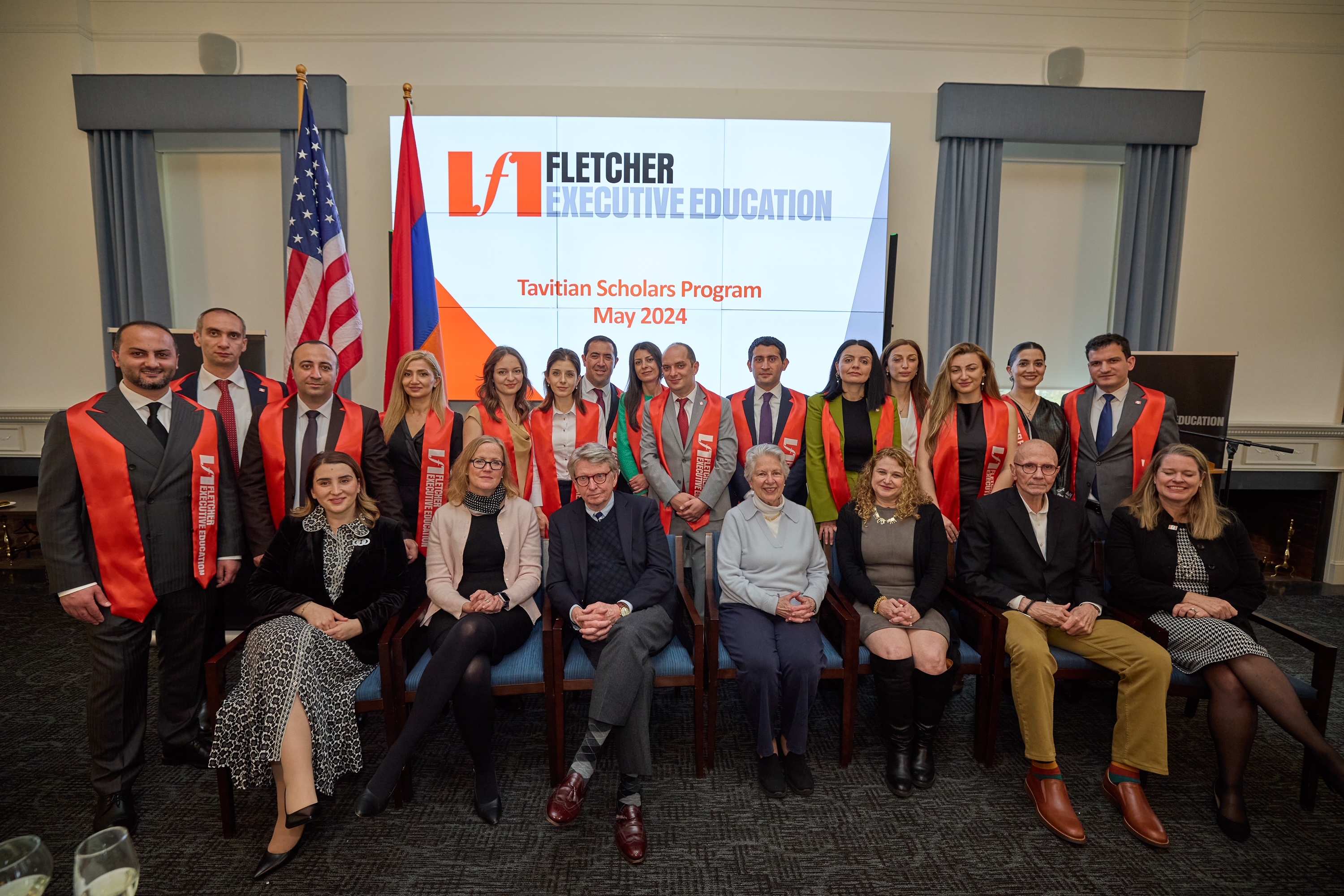
I should also note that I was initially invited to the Fletcher School to lead the Tavitian Scholarship Program. This is a fully funded professional development program for Armenian civil servants, within which participants spend one semester in Boston studying international relations, public administration, and leadership.
The program has a 25-year history and is implemented through the funding of the Aso Tavitian Foundation in partnership with the Fletcher School. It is a unique initiative that has contributed to the professional growth of more than 350 public sector specialists in Armenia and has played a significant role in strengthening the country’s institutional capacity and international engagement.
What Armenia lacks is governmental— and why not also private sector — scholarship programs aimed at talented young people who have the desire and ability to study at the world’s best universities. In my own professional experience, I have met and recruited such students from other countries, for example from Central Asia, particularly Kazakhstan, where state scholarship systems are well-established and actively functioning.
There is no need to fear that these young people will not return to their country. On the contrary, I believe it is essential to create an environment that encourages their return — so they can serve their country and introduce and develop innovative approaches.
What are the main advantages of international education for a young professional?
International education provides three key advantages: global thinking, cultural flexibility, and a broad professional network. Students learn to work in diverse environments, communicate effectively with people from different cultures, and adapt quickly to change. This experience later supports not only career growth but also the development of leadership qualities and decision-making skills.
Armenia is a small market. What role can international education play in the country’s development?
International education can serve as a bridge between Armenia and global markets. By gaining international experience and connections, Armenian professionals can later attract foreign investment, introduce new knowledge and expertise, and bring innovative ideas. They can also export Armenian products or services to international markets. For small countries, human capital is the greatest advantage, and international education is an effective way to multiply that capital.
What is the difference today between a good educational program and simply a “good university”?
The difference lies in practical applicability and measurable outcomes. A strong educational program not only provides theoretical knowledge but also develops concrete skills, builds connections with employers, and helps students determine their professional direction. A university’s name is important, but the real value lies in how well the program prepares a person for real life and labor market demands.
For example, in the United States it is very well established that students often work within their universities while studying. They conduct research or participate in other forms of academic activity. This is something that should be further developed in Armenia as well. A student should not have to work in a completely unrelated field just to earn money; instead, they should have opportunities to work in university-affiliated research centers or in international and local organizations aligned with their field of study, where they can apply their knowledge in practice.
Sati Boyajyan received her early education in Thailand at an international school and completed her higher education at leading universities in the United Kingdom and Spain — the University of Bristol and IE Business School.
“Armenia’s greatest strength is its people. My mission is to create global opportunities for Armenian talent,” she says.
Anahit Sargsyan