make preferable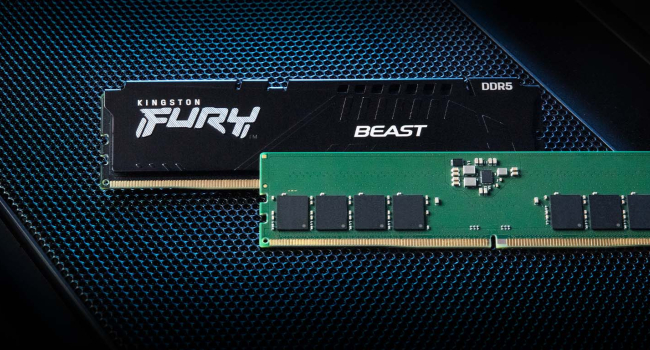
In 2026, the memory market is boiling due to shortages and rising prices, and scammers are taking advantage of the situation. A scheme has been uncovered on Amazon where expensive DDR5 kits are sold in original packaging, but inside are old DDR or even DDR2 modules, weighted with metal to imitate the correct weight. Buyers end up with a “brick” instead of an upgrade.
How the Scam Works
The scheme is simple but clever. Scammers buy genuine DDR5 kits, open the packaging, replace the modules with useless old ones (with crude fake labels and metal plates added for weight), carefully reseal the box, and return the product to Amazon as “not needed” or “didn’t fit.” The platform, without checking the contents, puts it back on sale as new.
One case was described by a user named BravoNorris on forums: he ordered four kits of ADATA XPG Caster DDR5-6000, 32 GB each. Two were fine, but the third was a fake, with old modules glued onto a piece of metal. The packaging looked perfectly factory-sealed.
Manufacturer Response and Advice
ADATA has already responded, recommending that customers buy only from authorized sellers and verify serial numbers on the official website. Amazon has not commented yet, but such cases are being reported more and more often.
Experts advise:
- Record the unboxing on video, as this is crucial evidence for returns and complaints.
- Inspect the modules immediately: check labels, weight, and chips (DDR5 has a different form factor and markings).
- Buy from trusted stores rather than random marketplace sellers.
Against the backdrop of a DRAM shortage, with prices rising by 30–50 percent in 2025, such schemes may become widespread. Scammers profit from differences worth thousands of rubles per kit.
In Brief
Scammers on Amazon are replacing DDR5 with old DDR or DDR2 modules inside original packaging, exploiting the return system. Buyers receive weighted junk instead of a real upgrade. Record unboxing videos, verify serial numbers, and buy from official sellers. In 2026, memory shortages make this type of fraud especially dangerous. Be cautious with “too good to be true” deals on marketplaces.