




 make preferable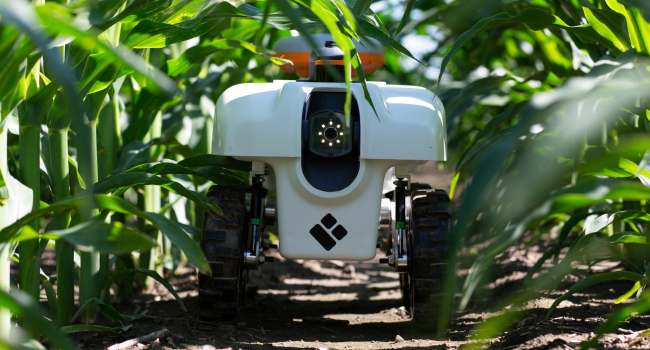
Modern agriculture is undergoing a technological transformation, with artificial intelligence, robotics, blockchain, and more reshaping age-old practices. Here are three pivotal trends driving the future of the agrarian sector in 2025 and beyond.
1. Robotics in Farming
Robots are becoming a staple in agriculture, tackling essential tasks like planting, harvesting, packaging, palletizing, and crop care. They also excel in monitoring plant health, applying fertilizers and pesticides with precision, and managing livestock operations.
This automation addresses labor shortages, boosts production efficiency, and enhances product quality. Its significance is underscored by government backing: in April 2024, the U.S. National Science Foundation and the USDA’s National Institute of Food and Agriculture (NIFA) announced a partnership to advance agricultural robotics, signaling strong support for this game-changing tech.
2. Remote Monitoring and Automation
Today’s farms are embracing remote monitoring systems powered by IoT sensors. These tools track real-time data on soil moisture, temperature, and other vital metrics, enabling farmers to manage irrigation and resources with pinpoint accuracy.
This precision not only lifts crop yields but also cuts water and fertilizer waste. The global IoT-in-agriculture market is skyrocketing—from $27.1 billion in 2021, it’s projected to hit $84.5 billion by 2031. Asia leads the charge, fueled by population growth and rising food demand, driving heavy investment in smart farming. Meanwhile, the agricultural sensor market is on pace to reach $3.46 billion by 2029, growing at a CAGR of 11.5%, per Mordor Intelligence.
3. Advanced Analytics
Big data analytics is transforming agriculture by delivering deep insights into crop productivity, climate shifts, and soil conditions. Analytical systems provide farmers with actionable forecasts and advice on:
- Yield estimation
- Harvest readiness
- Optimal planting schedules
- Fertilizer needs
- Pesticide and herbicide use
Paired with IoT data and platforms like fieldWISE, these tools beam real-time recommendations to farmers’ phones or PCs, streamlining operations and optimizing resource use for maximum efficiency.
The Bottom Line
These technological breakthroughs are making agriculture more resilient and productive. Robotics, remote monitoring, and data analytics empower farmers to tackle modern challenges head-on, enhancing output while paving the way for sustainable growth. As these innovations take root, they’re proving vital to global food security and the evolution of farming’s future.