


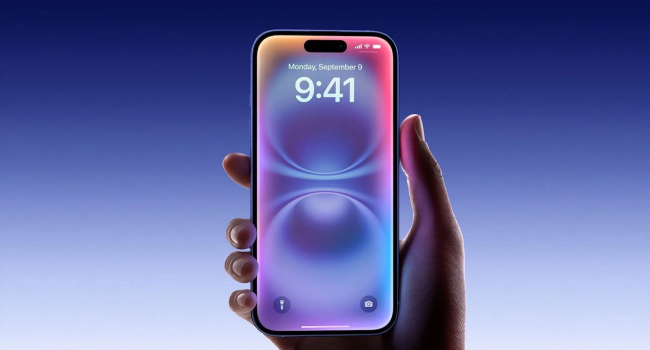
Apple to integrate Siri with WhatsApp, Uber, and other apps: What users can expect
Apple is testing an updated version of its Siri voice assistant with deep integration into popular third-party apps such as WhatsApp, Uber, AllTrails, Threads, Temu, Amazon, YouTube, and Facebook. This was reported by Bloomberg insider Mark Gurman in an article for MacRumors. The new Siri, powered by Apple Intelligence and an improved App Intents system, promises revolutionary voice control — but its launch is planned only for spring 2026. Here’s what users can expect, what limitations may arise, and how this will affect the Apple ecosystem.
New Capabilities for Siri
According to Gurman, the updated Siri will be able to perform complex tasks within third-party apps, fully replacing manual interaction. Examples include:
- Media management: Find a specific photo, edit it, and send it via WhatsApp or Instagram (note: Meta, which owns Instagram and Facebook, is designated as an extremist organization and banned in Russia).
- Social media: Post a comment or update in Threads or Facebook with just a voice command.
- Shopping: Add an item to the cart on Amazon or Temu without touching the screen.
- Services: Order a ride through Uber or log into an app using only your voice.
- Gaming: Apple is testing Siri with several games, potentially enabling new voice-driven gameplay experiences.
Siri will interact with app interfaces the same way a user would, thanks to the improved App Intents system. This technology lets Siri understand the on-screen context, analyze the user’s personal data (with permission), and perform actions inside apps. For example, Apple has demonstrated Siri pulling flight details and lunch plans from the Mail and Messages apps on an iPhone.
Technological Foundation
The new Siri runs on Apple Intelligence, the AI platform introduced at WWDC 2024. Key improvements include:
- Context awareness: Siri can better interpret requests by taking into account personal data such as calendar events and messages.
- On-screen awareness: The assistant understands what is currently displayed and can interact with UI elements.
- Deep integration: App Intents enables Siri to handle complex tasks like editing content or navigating app menus.
These features will be available across Apple devices, including iPhone, iPad, Mac, and Apple Vision Pro. However, Apple Intelligence support is required, limiting compatibility with older hardware (for example, iPhone 14 and earlier models will be excluded).
Launch Timeline and Limitations
The updated Siri is expected no earlier than spring 2026, likely as part of iOS 26.4, iPadOS 26.4, macOS 26.4, and visionOS 26.4 updates (March–April). Gurman notes the rollout will be phased:
- Geographic restrictions: Siri won’t launch globally at once, just as Apple Intelligence has a limited initial rollout. For example, EU deployment may be delayed due to strict privacy regulations.
- Sensitive app limitations: Apple plans to restrict or disable Siri functions in banking and healthcare apps to avoid errors found during internal testing. Risks include incorrect interpretation of financial transactions or medical data.
Apple CEO Tim Cook has noted “good progress” in Siri’s development despite delays announced earlier in 2025. The main challenge is integrating new large language models with Siri’s legacy architecture, requiring a hybrid approach.
Significance for Users and the Market
If the new Siri delivers as promised, it could be a breakthrough in voice control — bringing Apple closer to the vision it introduced back in 2011 when Siri first launched. Deep integration with popular apps like WhatsApp and Uber could make iOS devices far more convenient for everyday tasks, especially in hands-busy scenarios like driving.
However, success depends on several factors:
- Reliability: Testing has revealed bugs, highlighting the need for stability — especially for sensitive tasks.
- Privacy: Apple emphasizes on-device data processing, which sets it apart from rivals, but concerns over personal data security remain.
- Compatibility: Limited support for older devices may cause frustration, much like the backlash to Windows 11’s hardware requirements.
Bottom Line
Apple is betting on an overhauled Siri to strengthen its position in the AI race. The planned 2026 integration with WhatsApp, Uber, Amazon, and other apps promises to make Siri a true universal voice assistant, capable of replacing manual interaction in many scenarios. But delays, restrictions in sensitive apps, and Siri’s reputation as a “lagging” assistant present real challenges. Keep an eye on 2026 beta testing to see if Apple can deliver on its vision for smart, seamless voice control.
- Related News
- WhatsApp to introduce full passwords instead of PIN codes
- Google now forces a 24-hour wait before APK installation: Android’s new defense against malware
- Expert explains why smartphone storage quietly fills up
- WhatsApp may soon automatically sort business messages into a separate folder
- What are some lesser-known ways to clear storage on Android smartphones?
- A full-fledged DLSS equivalent is coming to smartphones
- Tech Jobs
- Most read
month
week
day
- Top tablets of August 2026: Experts name the best five 1721
- Top flagships of August 2026: Experts name the five best smartphones 1578
- 50,000 subscriptions and AI for schools: How Armenia plans to use artificial intelligence in education 869
- Samsung unveils monitor with record-breaking 1100 Hz refresh rate 730
- Two comets will be visible in Autumn 2026 714
- WhatsApp to introduce full passwords instead of PIN codes 659
- Foldable iPhone appeals to almost no one: Three-quarters of Americans don't want one 620
- A simple way to spend less time on your phone: Choosing your own goals? 607
- Would a nuclear explosion stop a city-killer asteroid? 600
- What would a person see if they fell into a black hole? 595
- Archive