




 make preferable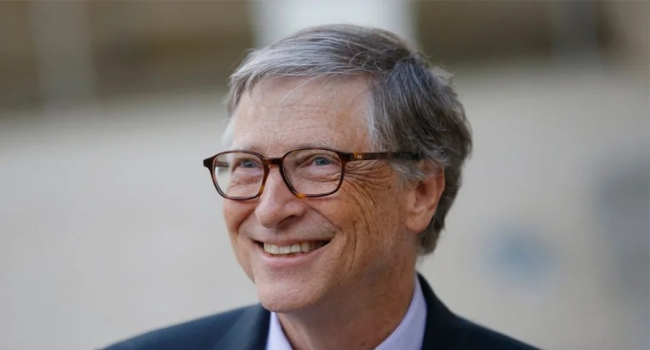
For many years, Bill Gates remained one of the most prominent optimists regarding artificial intelligence. The Microsoft founder spoke of technologies that would free people from routine work, accelerate drug discovery, and help combat climate change. His stance has now shifted noticeably. In a recent essay and interviews, Gates acknowledged that for the first time in his life, he wishes a new technology would develop more slowly.
From Optimism to Concern
According to Gates, his views on AI have undergone a serious reassessment over the past year. Systems have become far more capable in handling work tasks and are demonstrating abilities that until recently seemed distant. He was particularly unsettled by advances in models' programming skills and their capacity to orchestrate sophisticated cyberattacks.
Earlier, Gates believed that the risks of artificial intelligence could be kept under control. Now he states plainly that without urgent intervention, the technology could do more harm than good. He expressed surprise at feeling this way, noting that he had never before encountered a problem that innovation could not solve.
Three Major Threats
Gates highlights several key areas of risk. The first is security—the potential use of AI for hacking, creating biological threats, and large-scale fraud. The second is widespread job displacement due to automation and the emergence of robots capable of performing physical labour. The third is the impact on children, as technology may degrade learning quality and weaken face-to-face communication skills.
He is particularly concerned about the lack of meaningful progress in regulation. In his view, the industry is incapable of self-regulation, so the state must take a leading role. He emphasises that this issue should be bipartisan and independent of political considerations.
What Gates Proposes
In his essay, the billionaire outlines possible approaches to addressing these problems. These include establishing national and international regulatory frameworks covering security, employment, and child protection. He also suggests the idea of "human reserved" occupations—certain professions reserved exclusively for people—and considers the possibility of special taxes on AI use.
Gates noted that he has already discussed his concerns with the heads of companies developing artificial intelligence. However, specific regulatory proposals have not yet been developed enough to gain their support.
The Benefits Have Not Disappeared
At the same time, Gates has not abandoned the view that AI can deliver enormous benefits. He still sees the technology's potential in medicine, education, improving the efficiency of public services, and assisting residents of poor countries. The Gates Foundation has already documented practical benefits of AI for farmers and others in developing regions.
The difference is that previously he mostly thought about long-term advantages. Now he considers it necessary to focus on immediate risks and possible social disruptions. He believes the main task is to ensure that the benefits substantially outweigh the harms.
Gates stated that he intends to devote most of his efforts in the near future specifically to issues related to AI risks. This may reduce his involvement in other foundation projects.
In Brief
Bill Gates, long regarded as an optimist about artificial intelligence, now speaks openly about the technology's serious risks. His greatest concerns are security threats, mass job losses, and AI's impact on children. He believes the industry cannot handle regulation on its own and calls for active government action. At the same time, Gates does not deny AI's enormous positive potential, but insists that without urgent measures, the harm could outweigh the benefits.