make preferable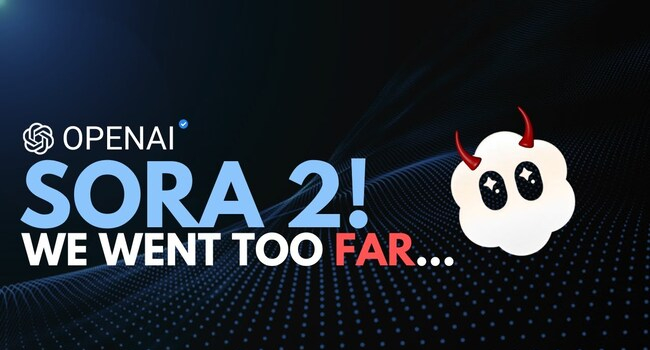
OpenAI announced on Monday that it will strengthen safeguards in its video application Sora 2 following widespread criticism over unauthorized celebrity deepfakes, reaching agreements with actor Brian Cranston, SAG-AFTRA, and major talent agencies after users created videos featuring celebrities without their consent, according to the New York Post.
The artificial intelligence company issued a joint statement with Cranston, the Screen Actors Guild-American Federation of Television and Radio Artists, United Talent Agency, Creative Artists Agency, and the Association of Talent Agents, affirming “productive collaboration” to protect performers’ voices and likenesses. The decision came just three weeks after Sora 2’s launch on September 30, when the app quickly became one of the most downloaded in Apple’s App Store.
Brian Cranston Leads Industry Response
Cranston, best known for his role in Breaking Bad, contacted SAG-AFTRA after discovering that his voice and likeness were reproduced in Sora 2 videos without his permission during the app’s initial invite-only launch. “I was deeply concerned not only for myself but for all performers whose work and identity could be misused in this way,” Cranston stated on Monday.
OpenAI expressed regret over what the company called “unintended generations” and committed to enhancing safeguards around voice and likeness reproduction when individuals do not provide consent. The company maintains a consent policy requiring explicit permission before using someone’s voice or likeness, though enforcement clearly failed in Cranston’s case.
Martin Luther King Jr. Videos Blocked
Last week, OpenAI was forced to suspend the generation of videos featuring Martin Luther King Jr. after his estate complained about “disrespectful depictions” of the civil rights leader. Users had created AI-generated videos showing King in racist scenarios, including clips depicting him making offensive noises during his “I Have a Dream” speech and engaging in crude actions.
“Some users created disrespectful depictions of Dr. King,” OpenAI and the King estate said in a joint statement on Thursday. Bernice King, Dr. King’s daughter, publicly urged people to stop sending her AI-generated videos of her father, echoing similar pleas from Zelda Williams, daughter of the late comedian Robin Williams.