High memory prices have become the new normal: Manufacturers are looking for solutions
 21:54 29 June, 2026
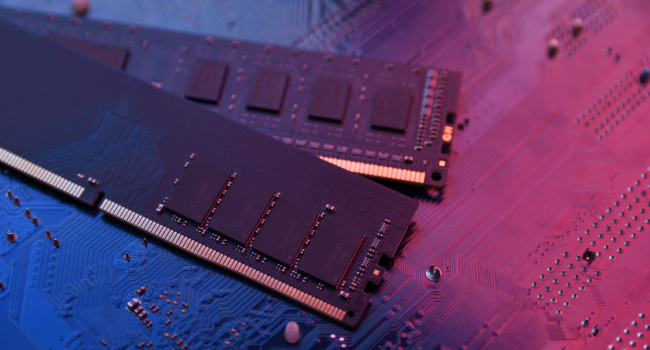
The artificial intelligence boom has radically changed the memory market. DRAM chip prices have risen sharply and, in all likelihood, will not return to 2025 levels. At the same time, some companies are beginning to look for unconventional solutions to keep device costs in check.
Lenovo: This is for the long haul
Lenovo representatives at the International Supercomputing Conference ISC 2026 stated that the current rise in memory prices is long-term in nature. According to their assessment, the situation has been worsening since the third quarter of last year, and even expanded production capacity is unlikely to lead to a noticeable price reduction in the coming years.
The company believes that elevated DRAM module prices could persist at least until the end of the decade and become a new market reality. The main reason is manufacturers (Samsung, SK hynix, and Micron) redirecting their capacity to producing high-speed memory for AI servers and accelerators. This has sharply reduced the supply of regular memory for consumer devices — smartphones, laptops, gaming consoles, and other electronics.
Commodore uses used memory
One of the first notable market responses has been Commodore's decision. The company lowered the price of its new Callback 8020 smartphone by $100 — from $499 to $399. The reduction was made possible by using post-consumer memory — chips extracted from previously used devices.
Such components undergo rigorous stress testing and come with a one-year warranty. Buyers who want completely new memory will be able to choose this option for an additional fee.
The Callback 8020 is equipped with a MediaTek Helio G81 processor and 4 GB of RAM. The price reduction has affected almost all variants of the model. Pre-orders will open on June 30, with shipments expected in winter (after US certification is completed).
What's next
Experts agree that the shortage and high memory prices will continue to affect the cost of electronics for a long time to come. While major manufacturers are focused on the AI sector, ordinary consumers are having to deal with the consequences of this boom. In such conditions, using verified used memory could become one way to make devices more affordable.
In brief
Due to the artificial intelligence boom, memory prices have risen significantly and, in Lenovo's view, are unlikely to return to 2025 levels. Manufacturers have redirected capacity toward AI server chips, leading to a shortage of regular DRAM. In response, Commodore has started using verified used memory, allowing it to reduce the price of its Callback 8020 smartphone by $100. This could become one of the market trends in the coming years.