Silicon-carbon batteries: Why Samsung and Apple haven’t switched yet
 17:10 26 March, 2026
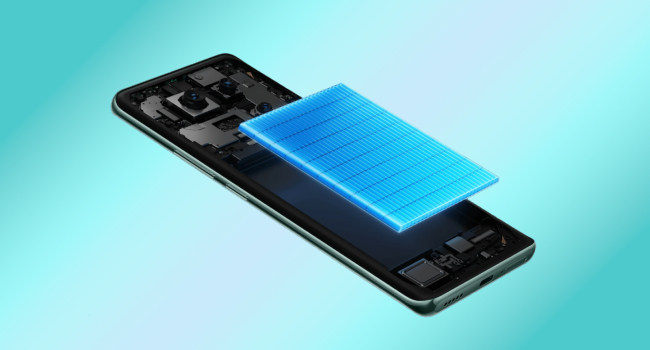
Over the past couple of years, Chinese smartphone manufacturers have pulled far ahead in battery life. While flagship models from Samsung and Apple still offer batteries in the 4000–5000 mAh range, many Chinese devices now easily exceed 7000–8000 mAh in the same form factor. The main reason is the shift to silicon-carbon (Si-C) batteries, which provide 20–30% more capacity compared to traditional lithium-ion cells. This raises a natural question: why haven’t the two biggest players made the switch yet?
What silicon-carbon batteries offer
Si-C technology replaces the graphite anode with a composite material rich in silicon. Silicon can store significantly more lithium than graphite, which allows the battery to achieve noticeably higher capacity without increasing its physical size. That’s why Chinese brands (Xiaomi, Vivo, Honor, Oppo, Realme, and others) are rapidly adopting these batteries and offering smartphones that can easily last two days of active use.
The main problems with silicon-carbon batteries
However, the technology has serious drawbacks that are rarely highlighted in marketing materials.
First, silicon-based anodes expand significantly during charging and discharging—sometimes by 80–300%. This can disrupt contact with the electrolyte, create microcracks, and in the worst case lead to battery swelling. To mitigate this, manufacturers often limit charging speeds and implement advanced cooling systems.
Second, these batteries tend to degrade faster. Third-generation Si-C batteries typically last around 600 full charge cycles before losing about 20% of their capacity. For Chinese smartphones, which are often replaced after 3–4 years, this is acceptable. But Samsung and Apple usually provide 5–6 years of full support for their flagship devices, where three years of strong battery performance may not be sufficient.
Samsung’s painful experience
Samsung has already faced a major crisis—the Galaxy Note 7 scandal in 2016, when batteries were swelling and catching fire. The reputational damage was enormous. The company is clearly unwilling to risk a similar situation with a technology that has not yet reached full maturity.
Recently, Samsung SDI tested a silicon-carbon battery with a capacity of 20,000 mAh (two cells—12,000 and 8,000 mAh). During testing, the smaller cell expanded by 80%, clearly demonstrating that the technology is not yet ready for mass adoption in premium devices, where reliability and longevity are critical.
Apple takes an even more conservative approach. The company traditionally prioritizes stability, safety, and long device lifecycles. At the moment, switching to Si-C does not align with that philosophy.
Should you be worried about Si-C batteries?
So far, there have been no widespread reports of swelling or fires involving silicon-carbon batteries in smartphones. Manufacturers have learned how to manage the technology, using special anode coatings, improved electrolytes, and advanced charge management systems.
If maximum battery life is your priority and you’re comfortable replacing your phone every 3–4 years, devices with Si-C batteries are very appealing right now. But if you plan to use your phone for 5–6 years and value long-term stability, the approach taken by Samsung and Apple remains more predictable.
In brief
Silicon-carbon batteries offer 20–30% more capacity at the same size, which is why Chinese brands are already using 7000–8000 mAh batteries. Samsung and Apple are sticking with conventional lithium-ion cells for now because Si-C batteries expand more during use, degrade faster (around 600 cycles), and carry higher reputational risks. Samsung’s experience with the Note 7 remains a cautionary example. The transition to this new technology among market leaders will likely be gradual and cautious.